Extremadura,  Spain

Things to Do in La Vera (Cáceres) in 2 or 3 Days: A Road Trip Through Its Most Beautiful Villages Nuevo post

Este post incluye enlaces de afiliado. Si compras o reservas a través de ellos, puedo recibir una pequeña comisión sin coste extra para ti. Más info.

📅 Actualizado: 11 de April de 2026
La Vera comarca, in the province of Cáceres, is one of the most beautiful areas in Extremadura, and it also happens to be the place where the person writing this blog was born and raised. It is not just hometown bias talking. I still have not heard from anyone who has visited and come back saying they did not like it. So in this guide I am going to share my best tips on things to do in La Vera in 2 or 3 days, which is ideal for a weekend getaway.

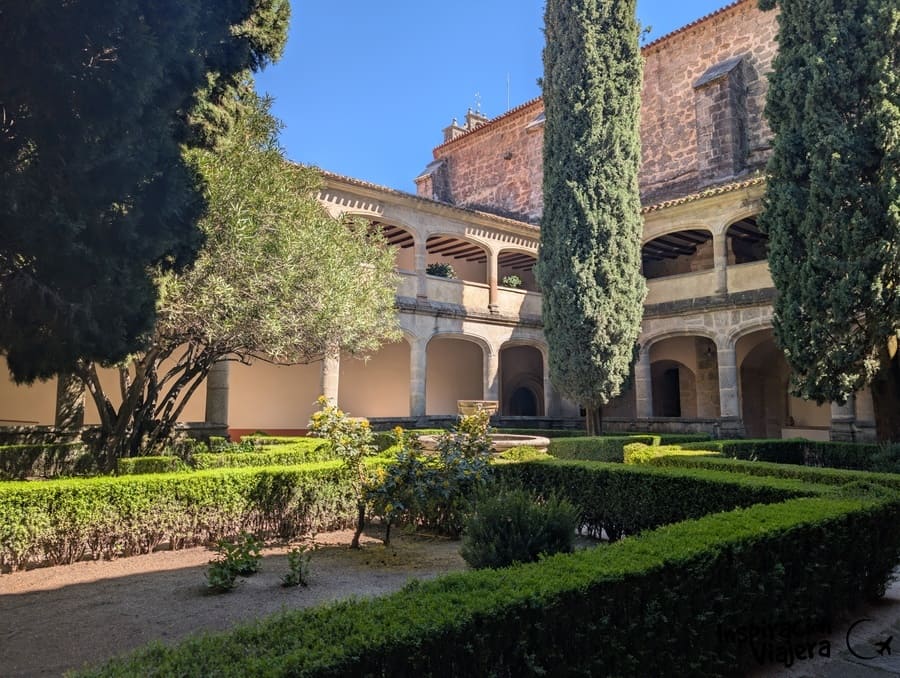
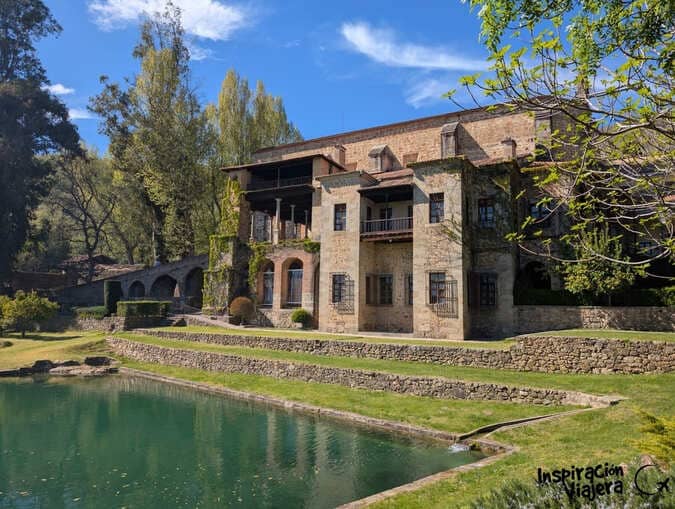
Monasterio de San Jerónimo de Yuste

How many times have we talked about Extremadura and someone has asked whether it is just a dry, empty land? I have honestly lost count. Extremadura has spectacular cities that can easily hold their own against places like Tuscany (Italy), including Mérida, Trujillo, Cáceres and Plasencia. But we also have stunning natural areas and beautiful villages such as the Valle del Jerte, Las Hurdes, Sierra de Gata, Monfragüe, Los Ibores and La Vera, which is what this post is all about. As you can see, there is plenty to choose from.

Let’s get started.

Where La Vera is and how to get there

La Vera is located in the northeast of the province of Cáceres, on the southern side of the Sierra de Gredos, which acts as a natural border with Castilla y León, and it stretches down to the Tiétar River in the south. Altogether, La Vera has 19 villages. Most of them add “de La Vera” to the end of their name, but not all of them do, and that can be confusing when you are trying to work out whether a village actually belongs to the comarca or not.

Every stop on a La Vera road trip has something different to offer. Across the area you will find 5 villages officially listed as historic-artistic sites, unique traditions and festivals, 47 mountain gorges and almost 1,500 streams, which already tells you that you are about to explore one of the most beautiful regions in Spain.

How you get to La Vera will depend on where you are coming from. Since it sits at the foot of the Sierra de Gredos, the best access route changes depending on your starting point. If you are arriving from the east, from places such as Madrid or Toledo, the easiest option is to take the A-5 and leave it near Oropesa (Toledo) so you can begin the route in Madrigal de la Vera. If you are arriving from the south or the north, it may make more sense to drive in via Plasencia and start from the opposite end.

How many days you need for a La Vera road trip

To do a proper route through La Vera, you need to take it easy because the area is fairly spread out. Driving from the eastern end, in Madrigal de la Vera, to the western end, in Gargüera de la Vera, takes almost an hour and a half if you pass through all the villages.

Depending on how many days you have, I would approach it like this:

  • 1 day: you can only cover a handful of the main villages, such as Villanueva de la Vera, Valverde de la Vera and maybe Jarandilla de la Vera, but it will feel rushed and it is far from ideal.
  • 2 days: for a first getaway to the area, this probably makes the most sense. You can visit the villages I just mentioned at a slower pace, add Yuste and squeeze in a few natural spots in between.
  • 3 days: this is the best option if you do not want to rush, if you want to fit in a hiking trail and if you fancy swimming in one of the local gorges.

Things to do in La Vera in 2 or 3 days

As I mentioned earlier, La Vera is made up of 19 villages spread across 65 kilometres from east to west, so if you are planning a 2 or 3 day getaway, I am going to focus on my favourite villages so you can make the most of your time.

From east to west, these are the villages in La Vera:

  • Madrigal de la Vera: known for its Roman bridge over the Garganta de Alardos.
  • Villanueva de la Vera: a declared historic-artistic site and an essential stop.
  • Valverde de la Vera: also a declared historic-artistic site, home to the Castle of Don Nuño, and considered one of the most beautiful villages in Spain.
  • Talaveruela de la Vera: a small, quiet village tucked further into the mountains and much less known than the others.
  • Viandar de la Vera: together with Talaveruela, it is off the EX-203, the main road that runs through La Vera, which is why both remain under the radar.
  • Robledillo de la Vera: another very small and little-known village.
  • Losar de la Vera: famous for the Puente de Cuartos and its impossibly shaped topiary gardens.
  • Jarandilla de la Vera: home to the Castle of the Counts of Oropesa, now a Parador hotel.
  • Guijo de Santa Bárbara: a tiny mountain village, the highest in the comarca, which you can only reach through Jarandilla.
  • Aldeanueva de la Vera
  • Cuacos de Yuste: a declared historic-artistic site and home to the Royal Monastery-Palace of San Jerónimo de Yuste.
  • Garganta la Olla: another declared historic-artistic site.
  • Collado de la Vera: one of the villages with the best mountain views, reached from Jaraíz.
  • Jaraíz de la Vera: the capital of the comarca and the birthplace of the famous Pimentón de La Vera, with protected designation of origin.
  • Torremenga: very close to and closely connected with Jaraíz.
  • Pasarón de la Vera: a declared historic-artistic site and home to the Palace of the Counts of Osorno.
  • Tejeda de Tiétar
  • Arroyomolinos de la Vera
  • Gargüera de la Vera

This road trip through the most beautiful villages in La Vera focuses only on the highlights of the comarca, with stops in Madrigal de la Vera, Villanueva de la Vera, Valverde de la Vera, Losar de la Vera, Jarandilla de la Vera, Cuacos de Yuste, Pasarón de la Vera and Garganta la Olla.

We will spend more time in some villages than in others, with shorter technical stops in a few places and longer visits in others depending on what I personally like most in each one. That does not mean the other villages are not worth visiting, quite the opposite, but if we are keeping this to 2 or 3 days, something has to give.

Madrigal de la Vera

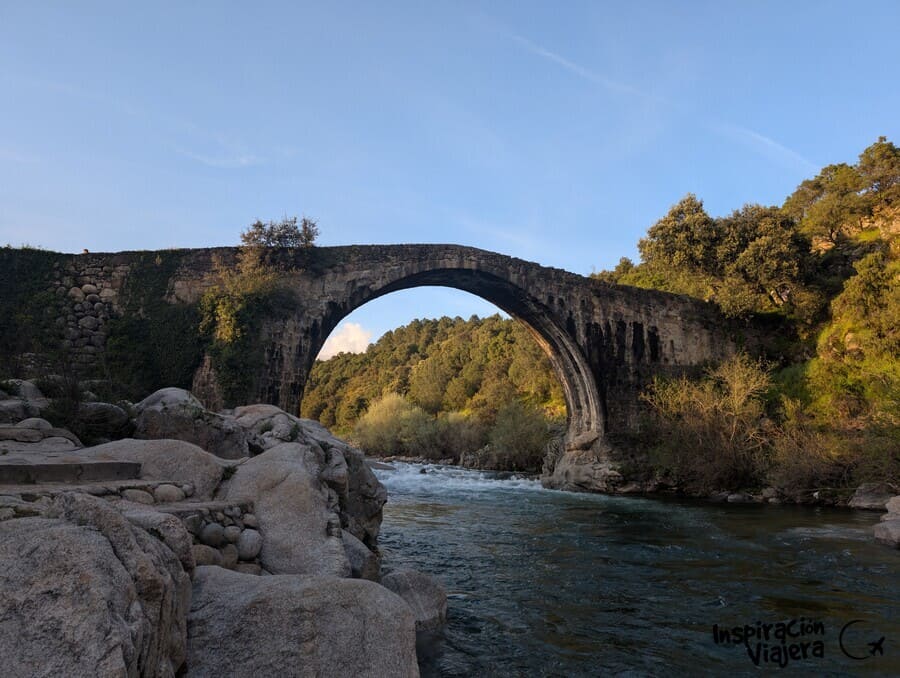
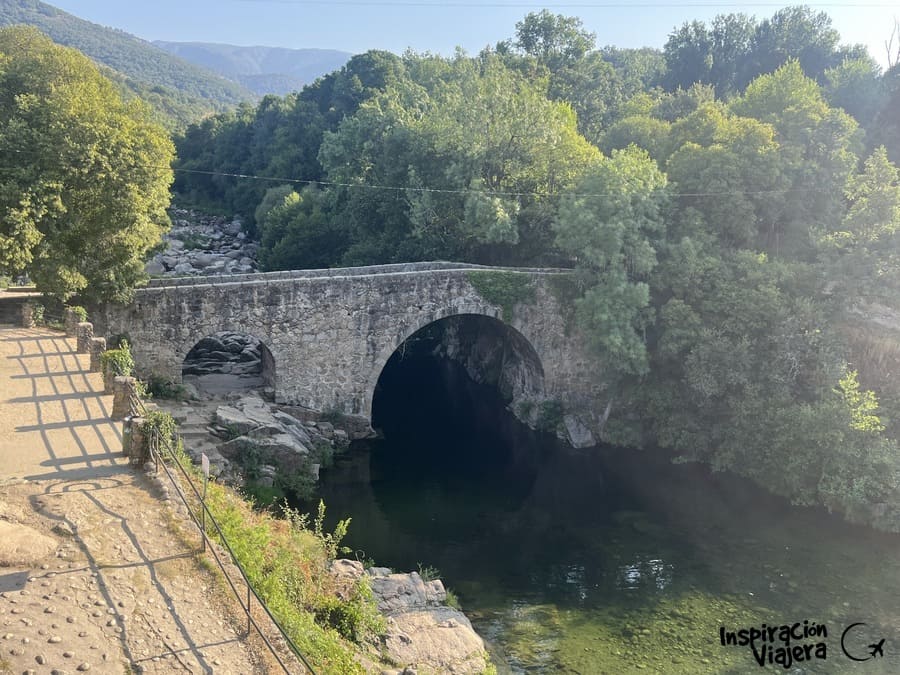
We start at the easternmost village in La Vera, and we start strong. Here I would go straight to the Roman Bridge over the Garganta de Alardos, right at the entrance to the village. It is the most interesting thing to see in Madrigal de la Vera.

The Roman Bridge of Madrigal de la Vera over the Garganta de Alardos, with the Sierra de Gredos in the background

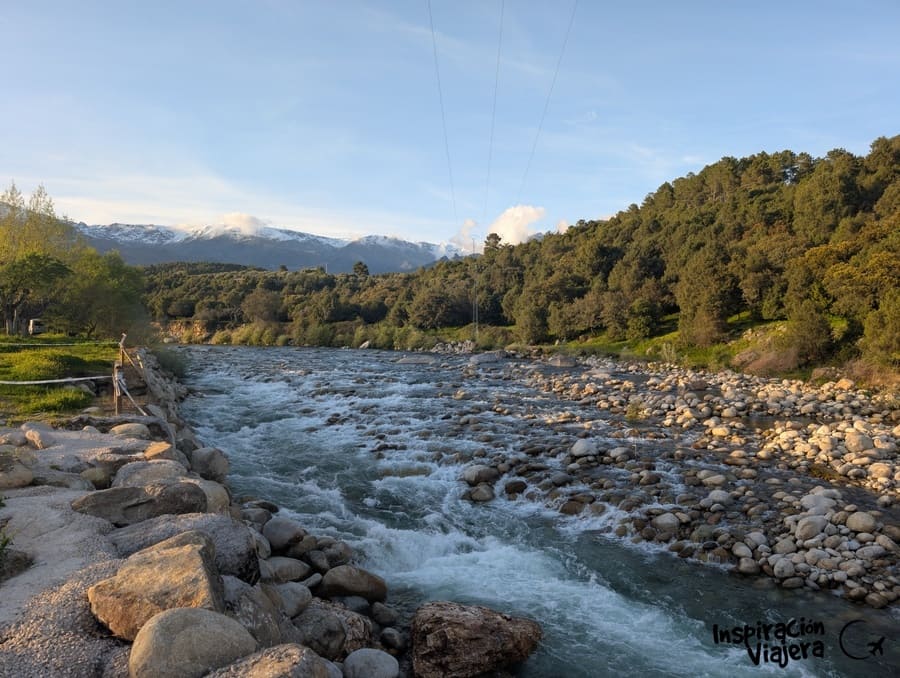
If you are visiting during swimming season, you can also take a dip in its natural pool or in the gorge pools, although I should warn you that this area gets packed in summer. Parking is paid here for exactly that reason, at around €6 per day.

This spot has always had the same problem: lots of people come just to swim and make no use of the village’s infrastructure or local businesses. Imagine what that means for a small place when it gets overcrowded: more maintenance, more cleaning, more supervision, but no real income coming in. Seen that way, the measure makes more sense.

Villanueva de la Vera

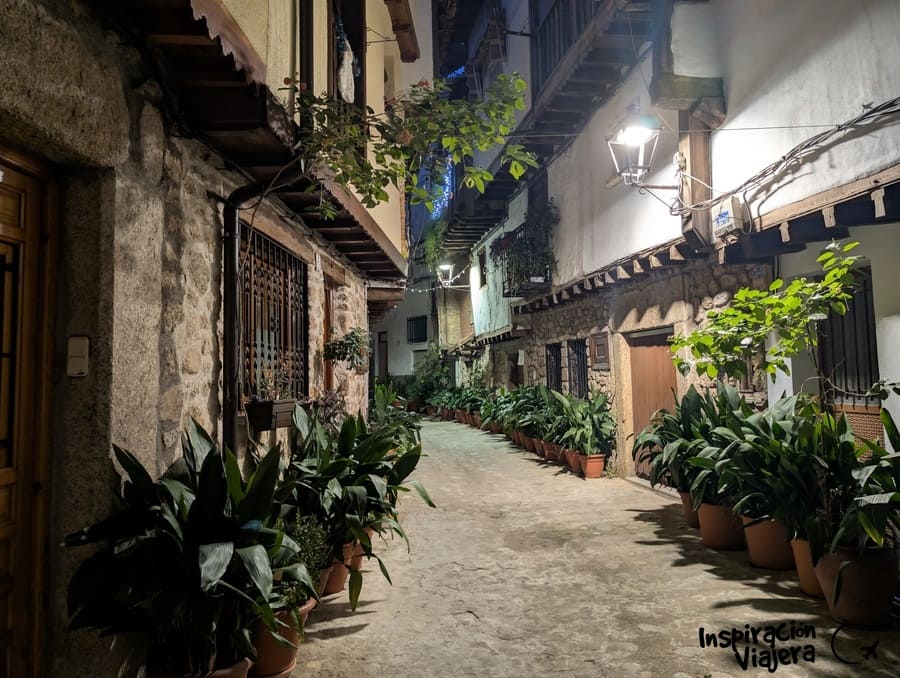
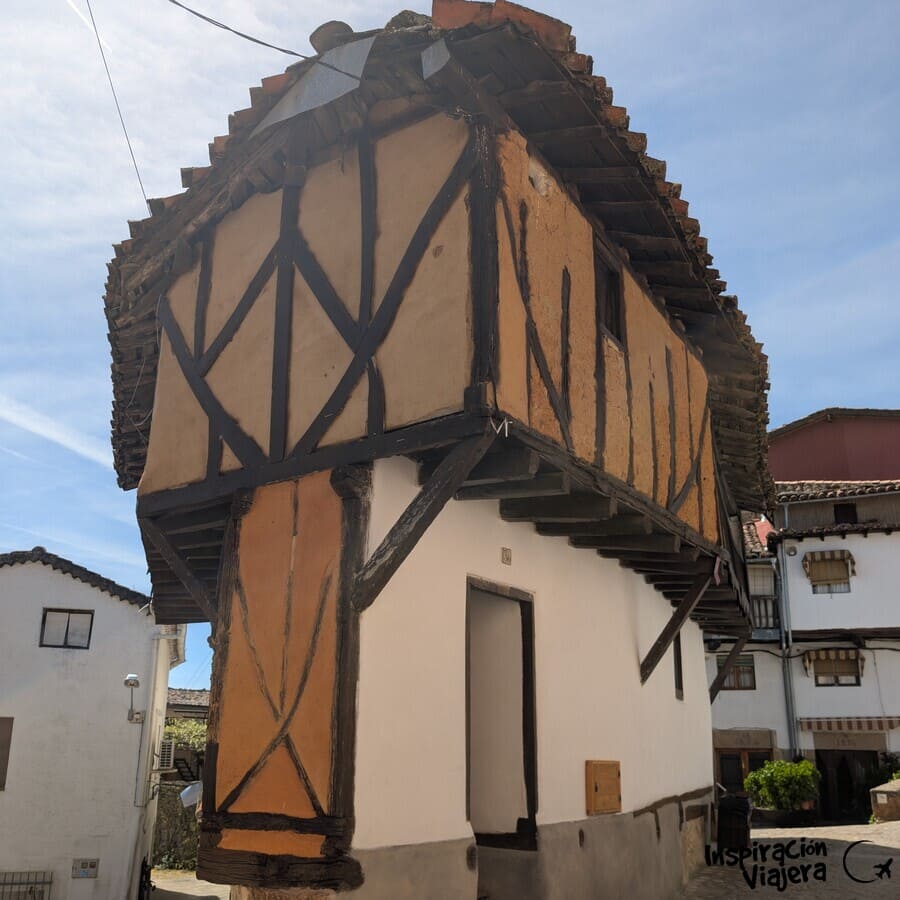
Villanueva de la Vera is the most special village for me because it is where I grew up, but it is also objectively one of the most beautiful villages in La Vera. I would set aside at least half a day to walk around it properly, although honestly it would work perfectly well as a full weekend destination on its own.

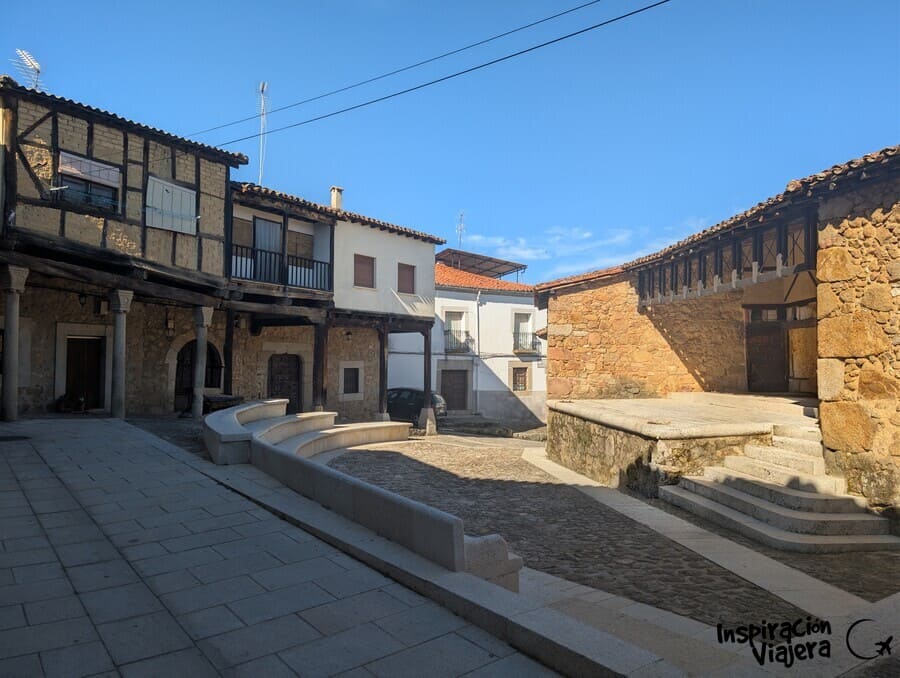
From Plaza Aniceto Marinas, the village’s main square, cobbled streets wind their way through the entire old quarter. If you want to cover the most interesting places to see in Villanueva de la Vera, make a note of these streets and stops:

  • Calle Real
  • Calle Toril
  • Calle Lanchuela
  • Calle Cuatro Esquinas
  • Immaculate Conception Parish Church
  • Lancho de la Panderona (Calle San Antonio)
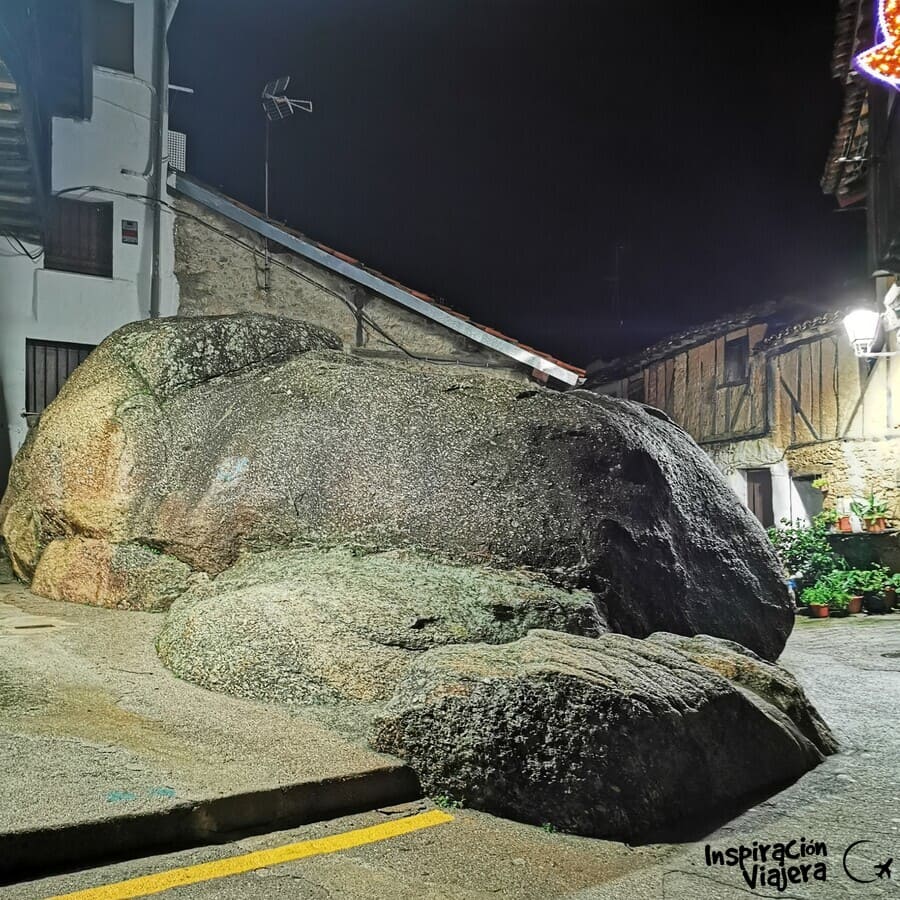
  • Calle Oscura and Travesía Oscura

Streets and traditional architecture in Villanueva de la Vera

If you enjoy nature, you can also walk or drive to a couple of spots near the village that are really worth it:

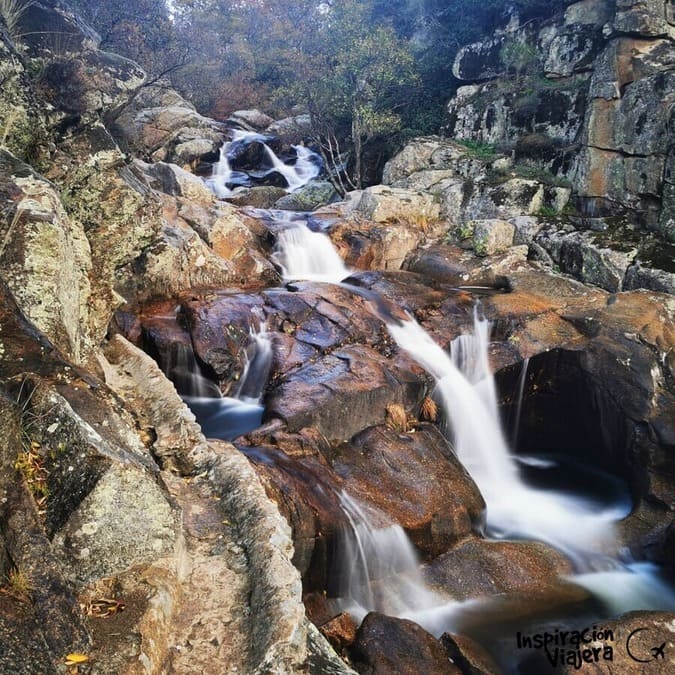
  • Cascada del Diablo: a spectacular waterfall.
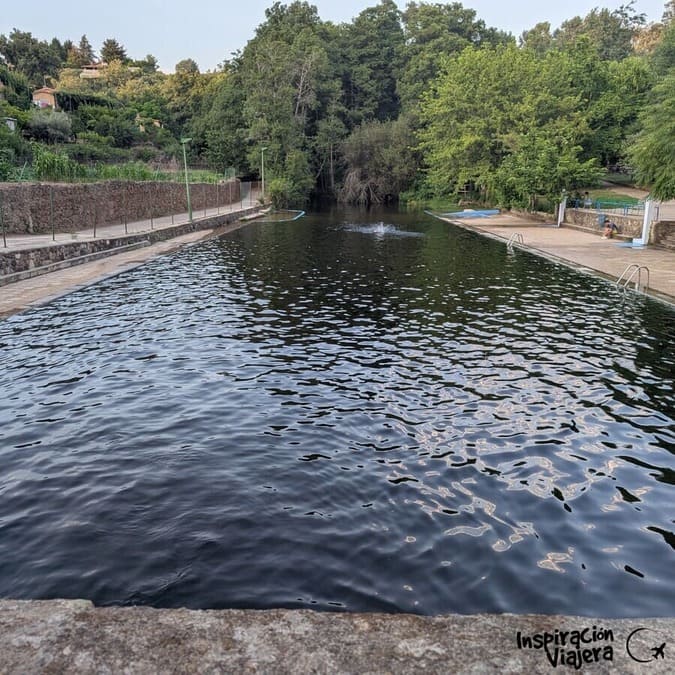
  • Natural Pool: open in summer, with a restaurant/bar on site.

The Cascada del Diablo waterfall and the natural pool in Villanueva de la Vera

Valverde de la Vera

We continue with another big hitter on this La Vera villages road trip. Valverde de la Vera is considered one of the most beautiful villages in Spain, and for good reason. You only need to spend a few minutes walking through its streets to understand why. Like Villanueva, it is also listed as a historic-artistic site.

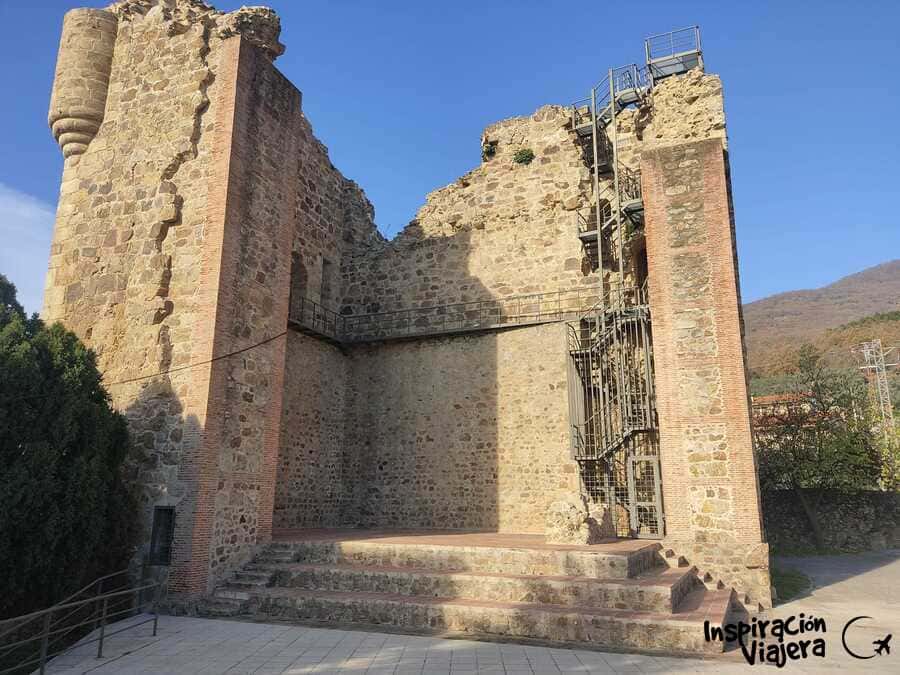
Even though it is a small village, there is plenty to see in Valverde de la Vera: cobbled streets with little channels of running water, squares, wooden balconies full of flowers and the Castle of Don Nuño. There is a lot to take in as you walk through the old quarter.

Remember to leave the car at the entrance to the historic centre in one of the municipal car parks, because the streets are very narrow and there is very little parking inside the village.

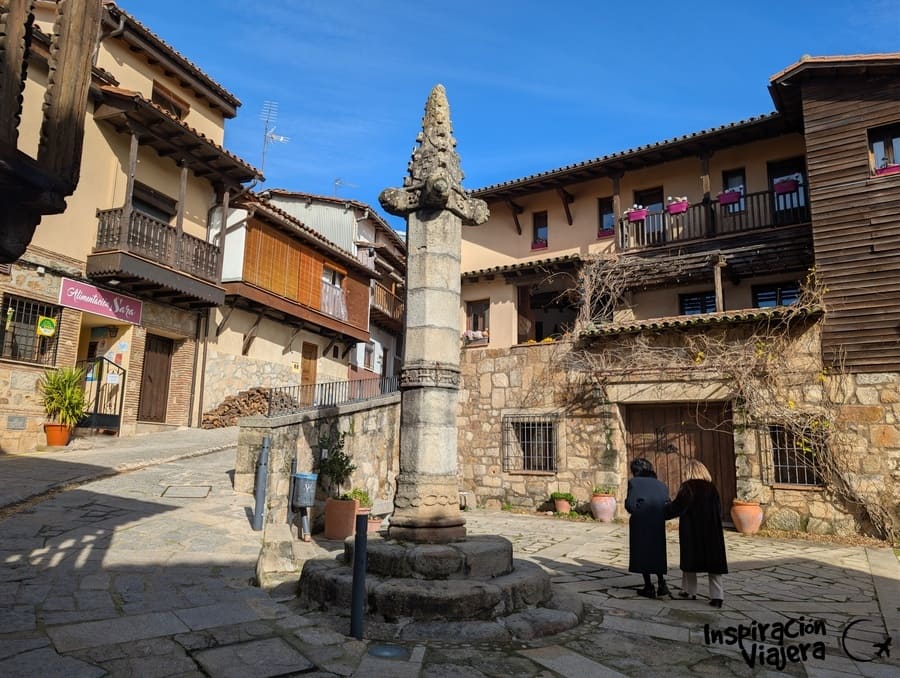
The castle and La Picota in Valverde de la Vera

Make a note of all these things to see in Valverde de la Vera so you do not miss anything:

  • Plaza de España
  • Calle Real
  • Castle of Don Nuño
  • The streets linking the castle and the square are also very pretty
  • The Rollo Jurisdiccional, known locally as La Picota
  • Museo del Empalao, which is very worth visiting if you want to understand the village’s most striking tradition
  • Parish Church of Nuestra Señora de las Fuentes Claras
  • Ermita del Cristo del Humilladero

Losar de la Vera

In Losar de la Vera, I would recommend stopping just before the entrance to the village at the Puente de Cuartos. If you are up for it, several hiking routes start from here, and if you visit in summer you can also go for a swim. There are campsites and restaurants in the area, so expect quite a bit of movement here in the warmer months.

Puente de Cuartos de Losar de la Vera

When you drive through the village, keep an eye on the roadside hedges because they are something else. There has been a long-standing local tradition of trimming garden hedges into wildly imaginative shapes. It feels almost like an outdoor art museum and it gives the village a very distinct identity.

Jarandilla de la Vera

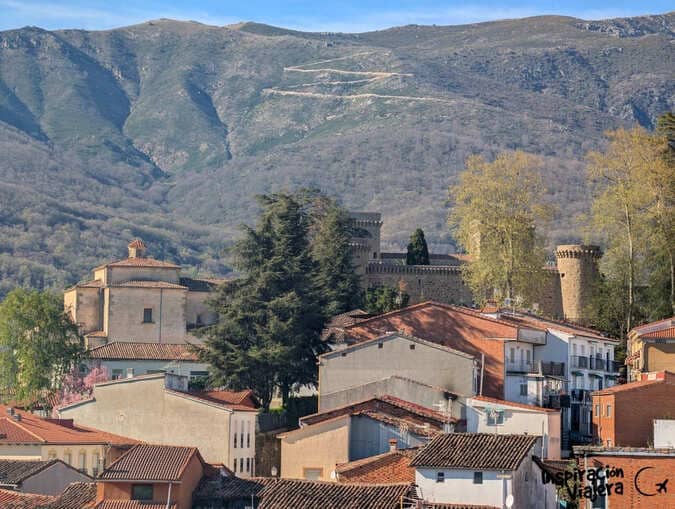
And now we come to another major stop on the route: Jarandilla de la Vera. This is where you will find the famous Parador, housed in the 15th-century Castle of the Counts of Oropesa. Emperor Charles stayed here while the palace at Yuste was being built, which we will get to in a moment.

The Parador and church in Jarandilla de la Vera

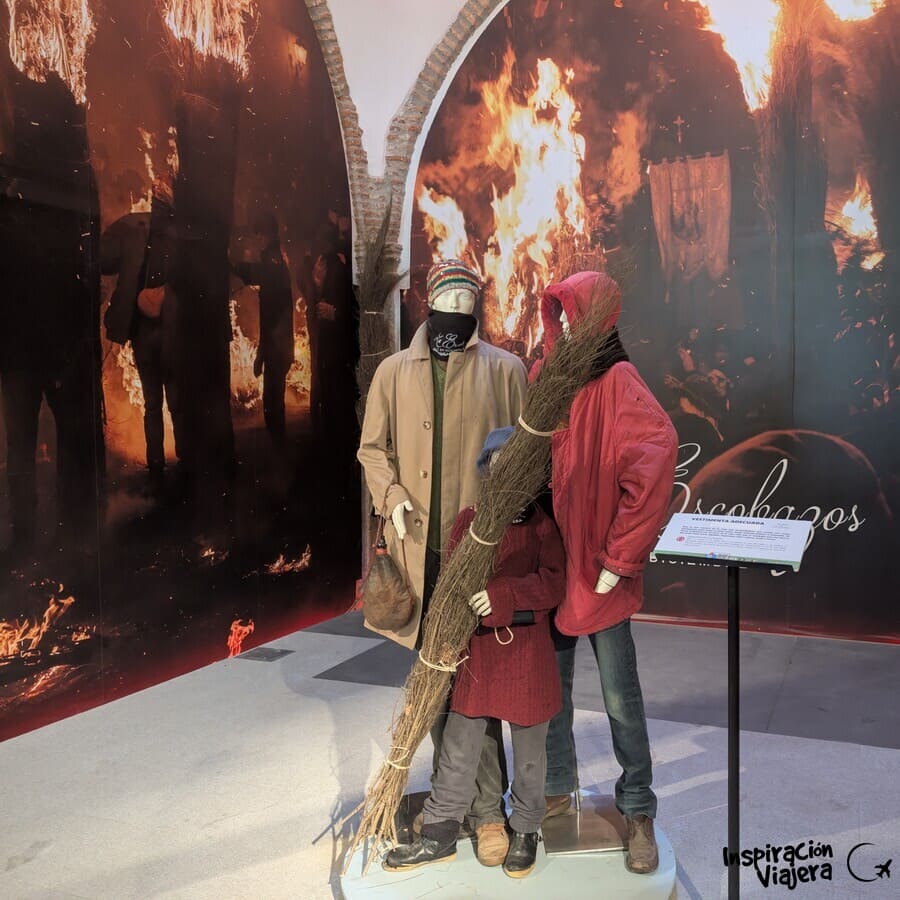
Beyond the Parador, I would also recommend wandering through the old quarter, visiting the Church of Nuestra Señora de la Torre, where there is a viewpoint over the whole village from the back, and then popping into the Los Escobazos Interpretation Centre right next to it. This local festival takes place every 7 December and revolves around a lot of fire. Once you know what it is about, it is hard to forget.

Jarandilla is also a great base for nature activities and wild swimming. In the Garganta Jaranda and Garganta del Cristo areas, there are several natural pools where you can walk around or take a dip. And if you are more into hiking, this is where the Route of the Bridges and the Emperor’s Route begin.

Cuacos de Yuste

By the time you reach Cuacos, you are already in the western half of this route through the villages of La Vera, and here comes one of the best surprises on the trip. The village itself is attractive and has an old quarter well worth visiting, but the one place you absolutely cannot skip is the Monastery of San Jerónimo de Yuste, which belongs to Spain’s National Heritage.

This beautiful palace was built for the retirement of Charles V, and honestly there could hardly have been a better place for it than La Vera. Not that I am biased or anything.

Near the monastery there is another unusual site: the German cemetery, created in memory of German soldiers whose bodies reached the Spanish coast after shipwrecks or aircraft being shot down during the First and Second World Wars. This was chosen as a peaceful place where their families could pay their respects in one single location.

Monastery of San Jerónimo de Yuste

If you plan to visit the monastery, you can simply buy your tickets at the ticket office. Even during busy holiday periods such as Easter, access is not usually a problem. That said, if you are visiting on a major holiday, the best time to go is just after lunch, around 3:00 pm, because it gets much busier in the morning and again from around 5:00 pm onwards.

As for things to see in Cuacos de Yuste itself, here are a few lovely spots to round out the visit:

  • Plaza de Juan de Austria
  • Plaza de España
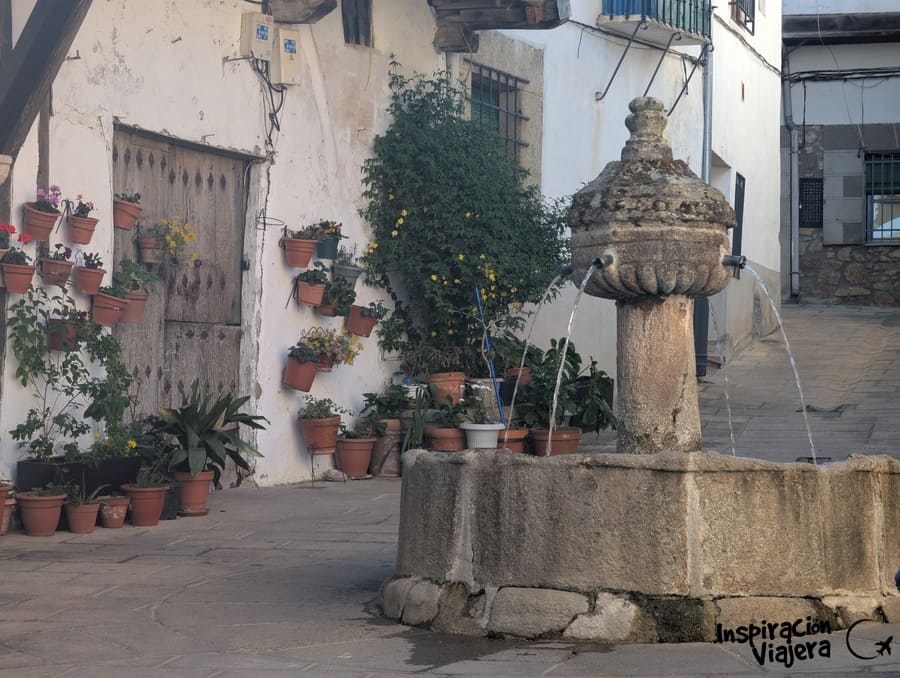
  • Plaza Fuente de los Chorros
  • Church of Nuestra Señora de la Asunción

Plaza Fuente de los Chorros and Plaza de Juan de Austria in Cuacos de Yuste

Garganta la Olla

Garganta la Olla is yet another village officially listed as a historic-artistic site. My advice here is simple: just wander. That is the best way to enjoy this small village of barely 800 inhabitants.

Among the things to see in Garganta la Olla, I would recommend Barrio de la Huerta, the Parish Church of San Lorenzo Mártir, the Inquisition Museum in Plaza Diez de Mayo, Casa de las Muñecas and the Plaza Mayor.

If you visit in summer, you will also have plenty of places to cool off, such as the Las Pilatillas natural pool or Charco Calderón.

And to finish, head up to the Mirador de la Serrana for panoramic views over the village and the whole valley.

Pasarón de la Vera

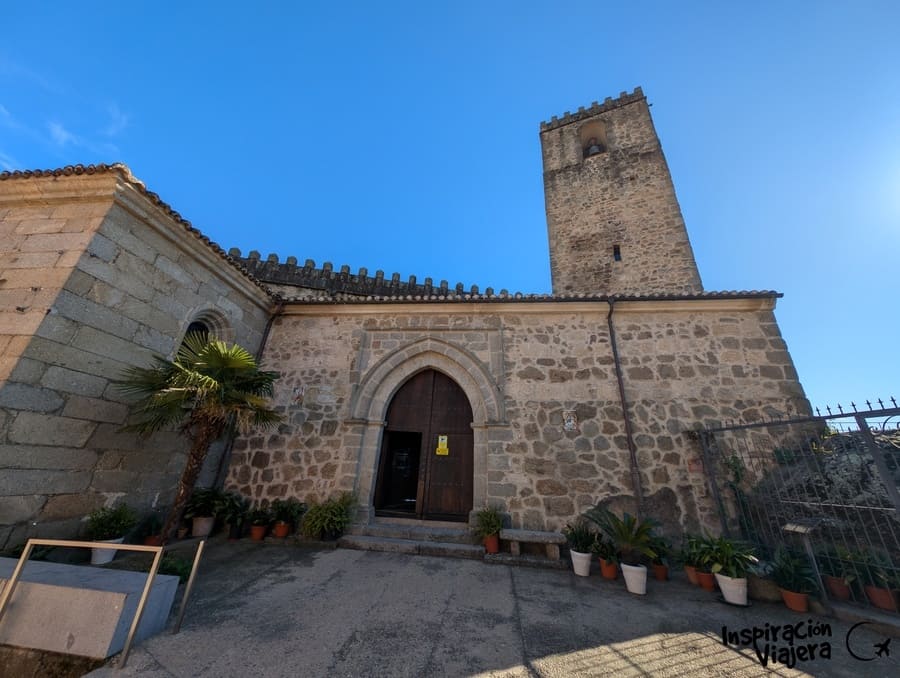
We finish this La Vera road trip in another of the comarca’s historic-artistic villages: Pasarón de la Vera. In this last village on the route, you can visit the 15th-century Church of El Salvador. It is quite unusual because the bell tower stands separate from the rest of the church building.

Another thing to see in Pasarón de la Vera is the Renaissance Palace of the Counts of Osorno, although this one is privately owned and can only be visited on certain occasions, which makes access quite difficult for now.

I would only add this final village if you are doing the road trip through the villages of La Vera from the Plasencia side, in the west, or if you have several days to explore the whole comarca at a relaxed pace. If you are short on time, one or two days, I would prioritise some of the other places in this post.

Itineraries for a road trip through La Vera

Now that we have gone through the best plans in each of the most recommended villages, here are a couple of ways to group the visits into a 2 or 3 day itinerary.

Keep in mind that the roads are secondary roads. They are generally in good condition, but there are plenty of bends and you have to cross a lot of villages, so journeys take longer than they might look on the map. Some villages are close enough together to combine comfortably in one day, while others are not.

La Vera road trip in 2 days

  • Day 1: Madrigal de la Vera → Villanueva de la Vera → Valverde de la Vera

This first day gets better as it goes along. You start with the short stop at the Roman bridge in Madrigal, continue exploring Villanueva on foot and finish in Valverde, which has one of the prettiest old quarters on the whole route.

  • Day 2: Puente de Cuartos → Jarandilla de la Vera → Cuacos de Yuste + Yuste Monastery

The essential stop at Puente de Cuartos in Losar is perfect for a swim before starting the day’s route, in Jarandilla you can visit the Parador and the old quarter, and Cuacos-Yuste will easily fill your afternoon with the monastery and the village itself.

If you have a third day for your La Vera villages road trip, then add Garganta la Olla and Pasarón de la Vera.

Where to stay in La Vera

As you have probably noticed from the itinerary I suggest for this route through La Vera, I group three villages into one day and another three into the next. Of the first three, the village I would most recommend for accommodation is Villanueva de la Vera, because it has the widest range of hotels and rural houses.

If you want to stay in Villanueva de la Vera, I recommend Apartamentos El Pozo, one of the best places to stay for several days in the village. They serve food and the apartments are right on Calle Real, in the middle of the old quarter. You can park almost at the door or very nearby, which is a real plus.

If you are after something a bit more special, especially if you are travelling with children, La Comarca de Vératton is a fun option. It is a charming take on the hobbit houses from The Lord of the Rings. The setting is beautiful and the views of the Sierra de Gredos are fantastic, but it is a little outside the village and the access road is narrow.

If you would rather stay in the second half of the route, the most practical base is Jarandilla de la Vera, since it is the village with the most services in that part of the trip.

The place I always recommend when people ask me where to stay in La Vera, specifically in Jarandilla de la Vera, is Casa Rural Planeta Vera. These are apartments with views of the Sierra de Gredos, located inside the village and with a fully equipped kitchen. They are also pet-friendly. Perfect for a weekend.

If you want a more upscale experience, the most obvious choice is the Parador de Jarandilla de la Vera, right in the centre of the village and with spectacular views. That said, it is noticeably more expensive.

Festivals and traditions in La Vera

If you are planning this La Vera road trip, remember that it is an area with very strong traditions and a calendar full of unusual local festivals. If your visit happens to coincide with one of them, your plans will change completely and you will not have the same calm, slow-paced visit as on an ordinary weekend. Even so, they are absolutely worth experiencing at least once. In any of these villages, you are likely to be welcomed with open arms.

Although every village in La Vera has its own celebrations, four of them have been officially recognised as festivals of tourist interest, which makes this the comarca with the highest number of such festivals in the whole of Extremadura.

In chronological order, these are the most important festivals in La Vera:

  • The Emperor’s Route: held on the first weekend of February to commemorate the final journey of Emperor Charles V, passing through Jarandilla de la Vera, Aldeanueva de la Vera, Cuacos de Yuste and the Royal Monastery of Yuste.
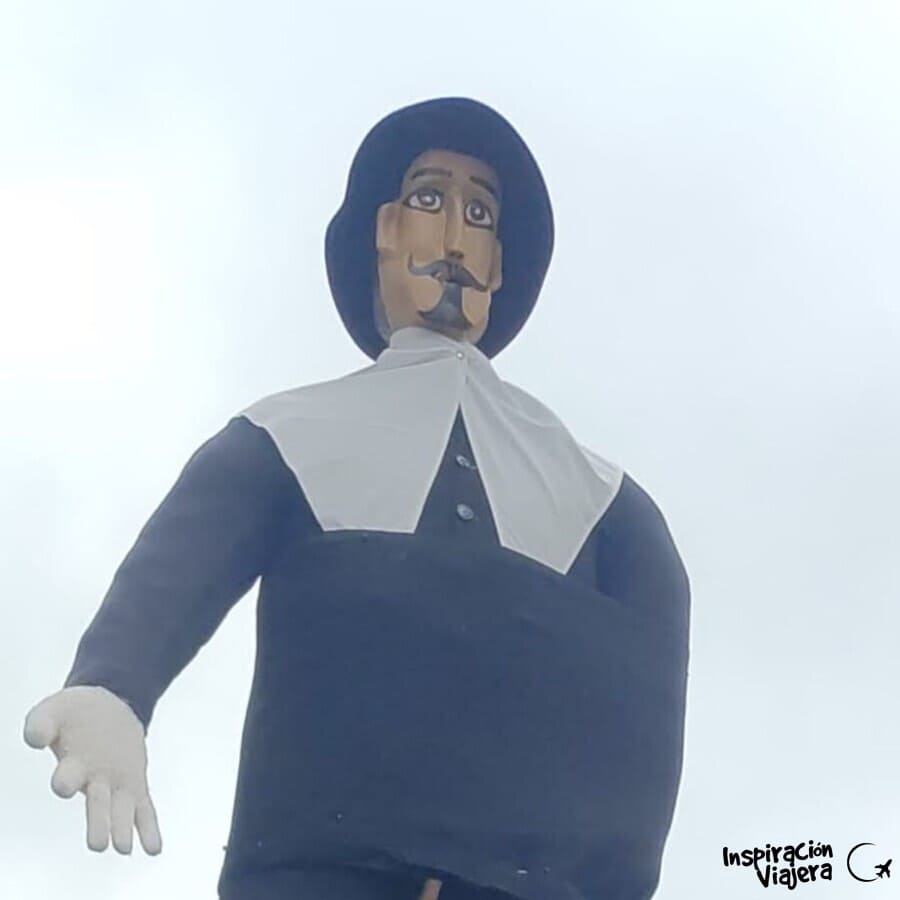
  • El Peropalo: celebrated during Carnival in Villanueva de la Vera, with a very traditional atmosphere and a curious ritual in which a figure known as El Peropalo is symbolically “put on trial”, defended by some and hated by others.
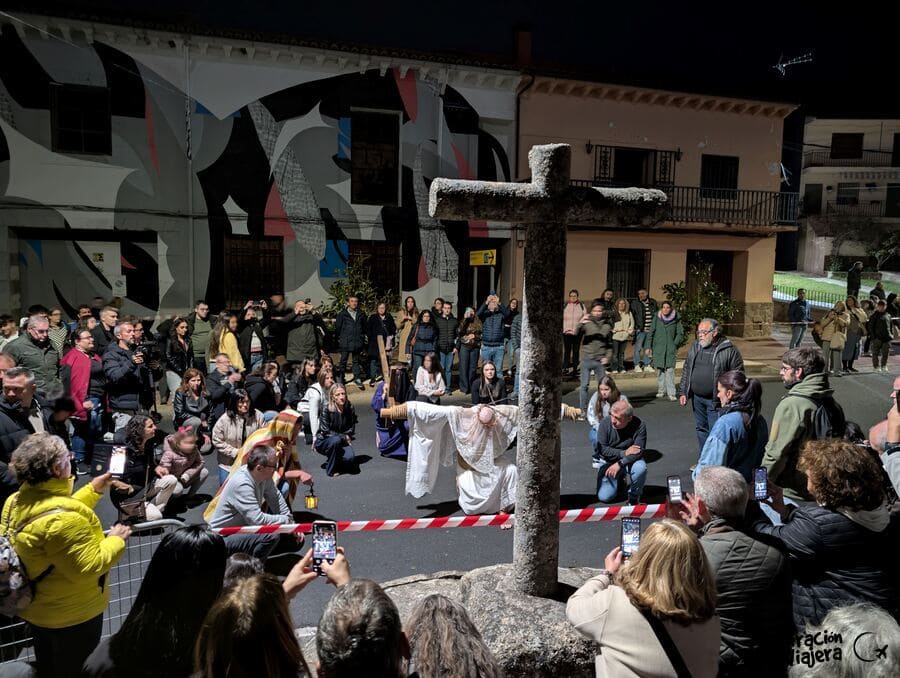
  • Los Empalaos: a tradition held on the night of Maundy Thursday in Valverde de la Vera, when anonymous participants walk the Stations of the Cross through the village’s 14 crosses as part of a sacrifice linked to a personal promise. Tough, unique and beautiful all at once.
  • Los Escobazos: celebrated on the night of 7 December, when fire becomes the absolute star of the show. It is a religious festival dedicated to the Immaculate Conception, although it looks very different from the celebrations most people are used to. Visit the Los Escobazos Information Centre in Jarandilla to get a better sense of it.

Los Empalaos, El Peropalo and Los Escobazos are some of the most popular festivals in La Vera

Food in La Vera

The food in Extremadura is seriously good. And the food in my village is seriously good too. Every friend I bring here, or anyone who tries the local dishes, leaves completely won over by the food. Sometimes I have to remind myself how lucky I was to grow up in a place like this, and the food is a big part of that.

There are plenty of typical dishes and products you can try during your La Vera route, but these are the ones I would recommend most, both to order in local restaurants and to take home with you afterwards:

  • Pimentón de La Vera: this probably needs no introduction, because you most likely already know it. It is not a dish in itself, but it is one of the ingredients that gives local food its identity.
  • Cheese: some of the best cheeses in Spain are made in La Vera. You should definitely try the goat’s milk cheeses, fresh cheeses, cheeses with paprika and cheeses preserved in oil.
  • Jams, liqueurs and quince sweets: three of the most traditional local products to take home as a souvenir from La Vera. Handmade and natural.
  • Traditional pastries: go into a local bakery and pick up perrunillas, floretas, roscas de vino or huesillos. I could happily eat one right now.
  • Cured meats: chorizo, including goat, wild boar or venison versions, plus loin, ham and tasajo. You will want to take one of everything home with you because the quality of local produce is excellent.
  • Extremaduran migas: yes, we make migas too, and here they are prepared with Pimentón de La Vera, pork belly, chorizo and a lot of garlic. Lately people have also started topping them with a fried egg. An absolute showstopper. I have eaten migas in many parts of Spain, but I still stick with the ones from La Vera.
  • Meat: you really cannot go wrong if you order a good ribeye or T-bone steak in La Vera.
  • Patatas revolconas: one of my favourite dishes, topped with plenty of pork belly and made with paprika. Order it as a starter and enjoy.

I am sure I am leaving things out, but there are so many that I would have to write a separate post just to mention all the typical foods from La Vera. For now, this should be more than enough to eat very well.

Start planning your La Vera road trip

Now that you have everything you need to explore the most beautiful villages in La Vera, what are you waiting for? Start planning a weekend escape and go discover them for yourself. And if you have any questions that come up after reading this post, or something that is not covered here, leave me a comment and I will be happy to help.

I am glad my home region is becoming better known, but I do want to ask you one very important favour, something that can easily be overlooked if you are seeing it from the outside: please respect the beautiful environment we have in La Vera. Do not leave rubbish in natural areas, respect local life and respect the basic rules of coexistence and common sense. We will appreciate it more than you think, and we will welcome you warmly.

How many days do you need for a La Vera road trip?

Two days is the most reasonable minimum. In one day you can see several stops, but it will feel too rushed. With three days, you enjoy it much more, you can spend more time in Yuste, stop at one of the gorges and try the local food without hurrying.

Which are the most beautiful villages in La Vera?

For a first trip, the villages I recommend most are Villanueva de la Vera, Valverde de la Vera, Jarandilla de la Vera, Cuacos de Yuste and Garganta la Olla.


What is the best time for a getaway to La Vera?

Spring and autumn are usually the best seasons if you do not enjoy crowds. Summer feels much livelier because of the gorges and swimming areas, but it also brings more people and more stress. And if you enjoy local traditions, you can plan your trip around festivals such as El Peropalo, Los Empalaos, Los Escobazos or the Emperor’s Route.

  • Escrito por

    Every time we come back from a trip and I finish writing about it, it never takes me more than a day to start looking into our next destination. I love spending weeks planning big trips and small weekend getaways around Spain or Europe. I’m also a huge fan of opening Google Maps and zooming all the way in on every place to find those unique spots that most people miss.

    Almost every photo you’ll find on the blog with our watermark, around 99% of them, was taken by us during our travels. In my articles, you’ll usually find detailed guides, realistic budgets, and step-by-step itinerary ideas designed to make things as easy as possible for you.

    I will never recommend something we did not genuinely like, no matter how viral it may be. The same goes for places we feel do not align with our values in terms of ethics or integrity.

    At the end of the day, my main goal with this blog is to share real travel stories, with just the right amount of polish and for every budget. And honestly, that already makes me happy.

    Ver todas las entradas

Leave a Reply

Your email address will not be published. Required fields are marked *

This site uses Akismet to reduce spam. Learn how your comment data is processed.