Gran Canaria Road Trip: Beaches, Mountains and Villages That Are Actually Worth It Nuevo post
📅 Actualizado: 11 de April de 2026
What is the first thing that comes to mind when you think of Gran Canaria? Huge beaches and massive all-inclusive resorts where people barely leave the hotel all day. At least that is the idea a lot of people seem to have. Forget that image, because if that is all you associate with the island, you are missing the best part of it.
Contenido del post
- 1 Travel tips for Gran Canaria
- 2 How to get around Gran Canaria
- 3 Must-see places in Gran Canaria
- 4 Add a few activities to make your Gran Canaria trip even better
- 5 The best beaches in Gran Canaria
- 6 The best activities in Gran Canaria
- 7 Where to stay in Gran Canaria
- 8 Itineraries for visiting Gran Canaria
- 9 Map of the top places to see in Gran Canaria
There are so many things to do in Gran Canaria that in just a couple of hours of driving you can go from desert dunes on the coast to misty pine forests at almost 2,000 metres above sea level. If you have 5, 6 or 7 days for a Gran Canaria road trip, you will have more than enough time to discover some of the island’s most interesting spots.
The last time we did a road trip through Gran Canaria was in 2020, right in the middle of the pandemic restrictions. You can imagine how different the island felt compared with normal years. Under regular conditions, Gran Canaria receives between 4 and 5 million tourists a year, but that year it was under 1.5 million. Empty beaches, quiet villages, parking everywhere… basically a fantasy that let us enjoy the island in a very different way.
Travel tips for Gran Canaria
Before I walk you through our Gran Canaria itinerary, there are three things you should know so you do not get caught out later.
- The weather can fool you. It is true that Gran Canaria has good weather almost all year round, but the island also has high-altitude areas where temperatures drop quite a bit. Those areas are absolutely worth exploring, so pack a light jacket in case the weather turns, even in summer.
- Peak season is not summer. In the Canary Islands, high season is winter, roughly from October to March, when half of Europe escapes the cold looking for warmer weather. If you travel during those months, book your accommodation and rental car well in advance or you will end up paying double.
- Wear proper shoes. If your plan is to leave the hotel, and I am assuming it is, keep the flip-flops for the beach. Gran Canaria is full of volcanic trails and rocky paths that will destroy your feet if you do not wear decent footwear.
How to get around Gran Canaria
Like on any Canary Island, you really need a car. Yes, Gran Canaria has a bus network, locals call them guaguas, and it works well for getting between the big cities or the main tourist areas in the south. I even used it myself when I came here on holiday with my parents years ago and wanted to head out somewhere with friends. But if you rely entirely on public transport, you are going to miss half of the best bits of the island because many of them are in more remote areas.
If you rent a car, make sure it has a decent engine because the climbs in the middle of the island are seriously steep. I am not exaggerating. I still remember my parents having to swap the first rental car we ever had in Gran Canaria because it got stuck halfway up a hill and simply could not make it. If you rent the cheapest little car you can find, watch out, because that joke can end up being expensive.
Also, the central part of the island has loads of bends. Really, loads. And some come with steep inclines. Locals often honk before blind corners and drive with the window slightly open so they can hear what is coming, because some roads combine tight bends, steep sections and rock walls on the side with very little visibility.
Gran Canaria is one of the few places where we actually had to use the full insurance on our rental car for exactly that reason. I did a proper number on the car while trying to move aside for another one. Never rent a car here without full coverage.
In Gran Canaria you will drive up slopes that make you feel the car is about to roll backwards. Rent something with a decent engine and, for the love of all things holy, get full insurance. It will save you more than one headache because the island’s roads definitely have their quirks.
We always compare prices and book well in advance, especially in high season, because cars disappear fast.
Find the best rental car deals in Gran CanariaMust-see places in Gran Canaria
If you want to put together a proper Gran Canaria road trip, make a note of these places that are genuinely worth it. Some are well known, but others are more hidden and are great if you want to avoid the worst of the crowds.
I have grouped them by type so you can build each day depending on the kind of plan you are after.
Nature, hiking routes and viewpoints
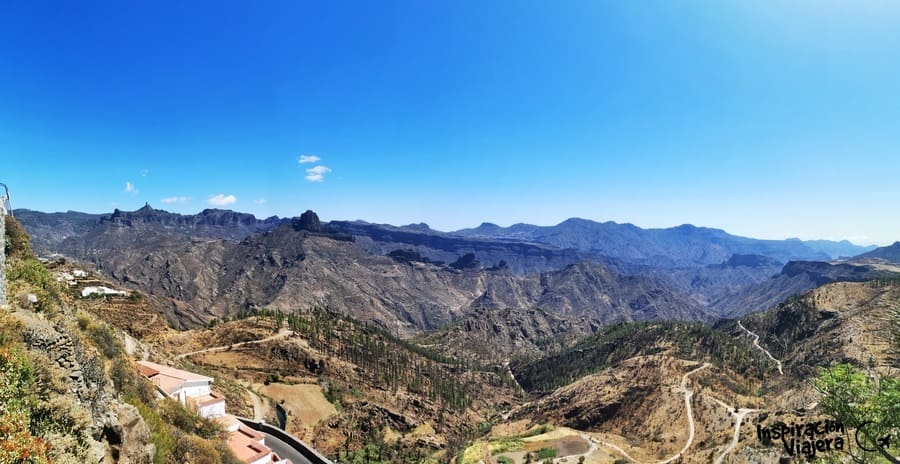
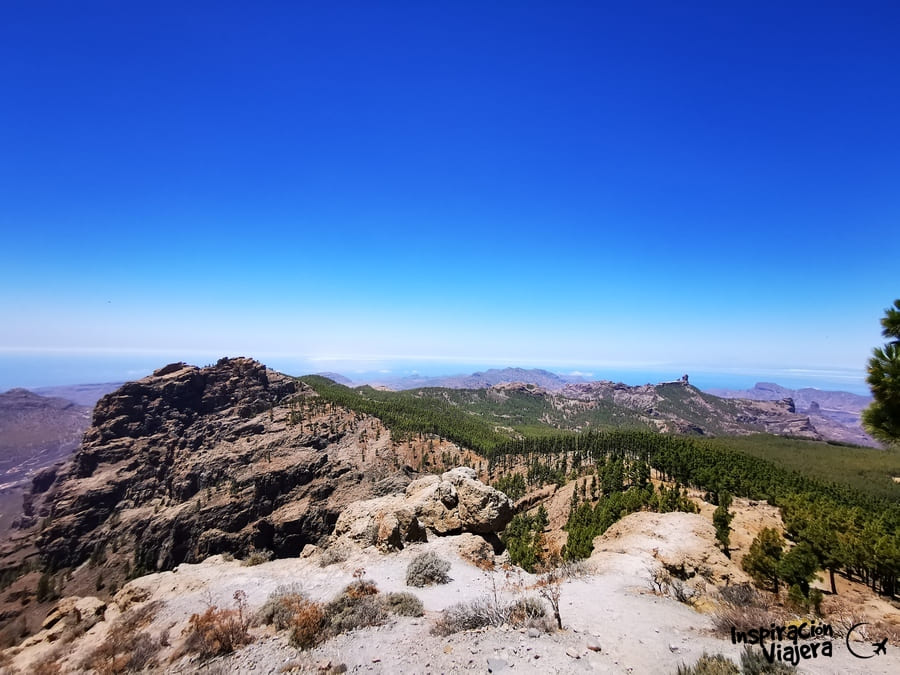
Doing a Gran Canaria road trip means exploring some of the most spectacular natural scenery in the whole archipelago. The island is basically a giant maze of ravines and volcanic rock that will make you want to go walking every single day.
If nature is your thing, Gran Canaria is one of the best choices you can make. And honestly, enjoying these landscapes is one of the best free things to do in Gran Canaria. It beats any paid activity on the island without even trying.
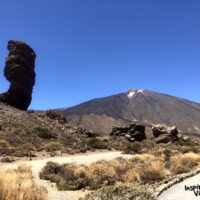
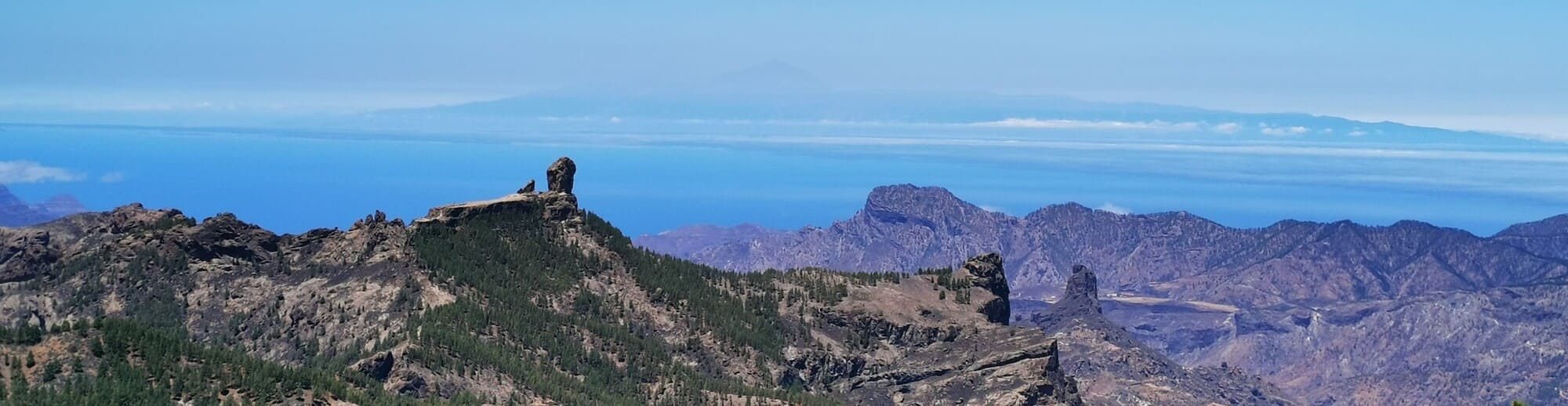
Roque Nublo
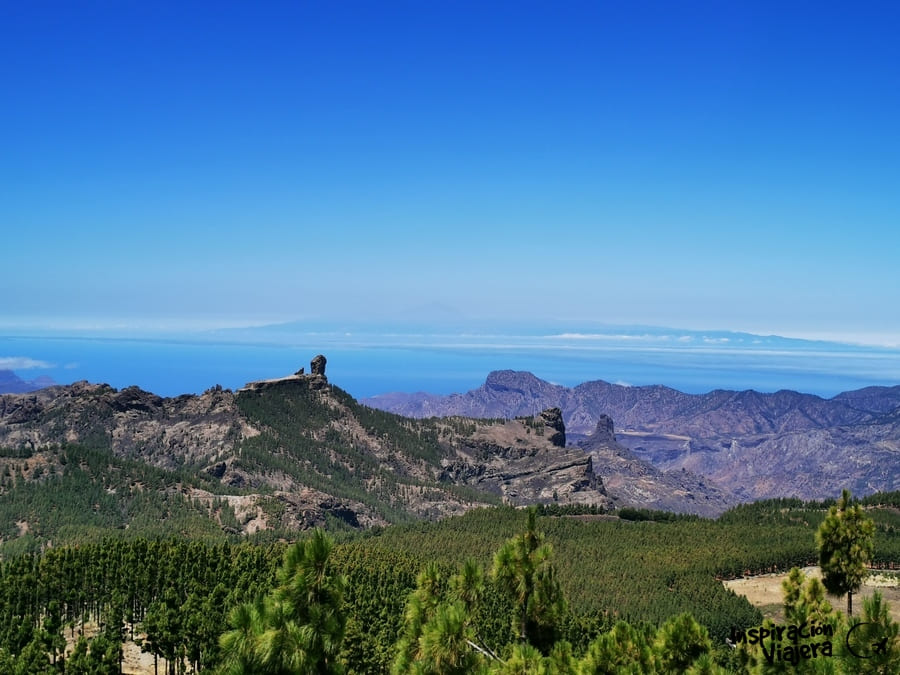
This is the island’s most famous landmark, an 80-metre volcanic monolith standing at over 1,800 metres above sea level. The walk up is short, around 1.5 km from the La Goleta car park, but it is uphill. Go early or late in the afternoon. At midday the parking situation is chaos and the trail feels like a Boxing Day queue.
Barranco de Guayadeque
A deep ravine between Ingenio and Agüimes. It is quite unusual because it has houses and restaurants carved directly into the rock.
Maspalomas Dunes
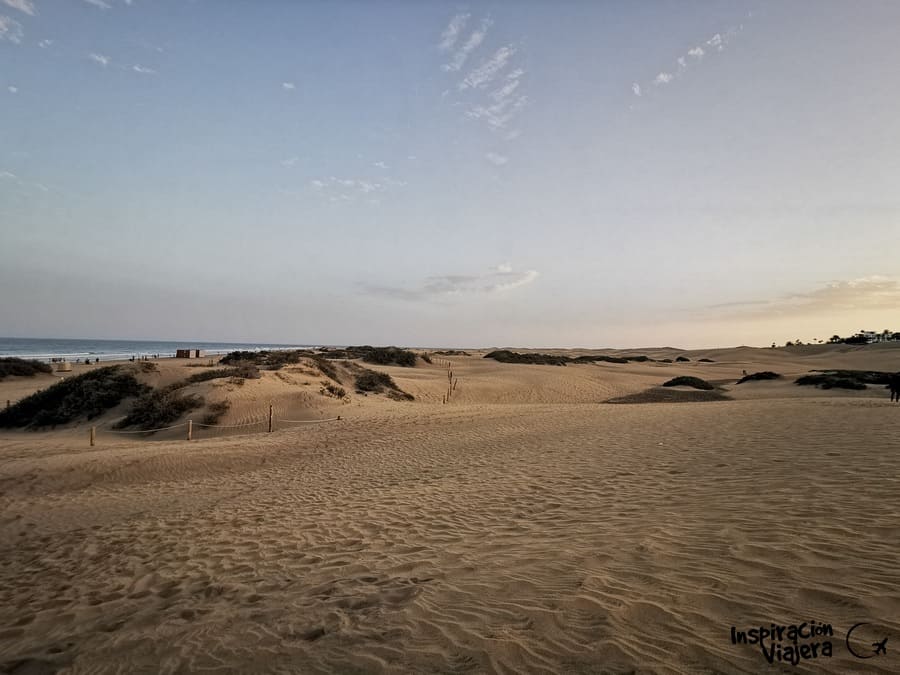
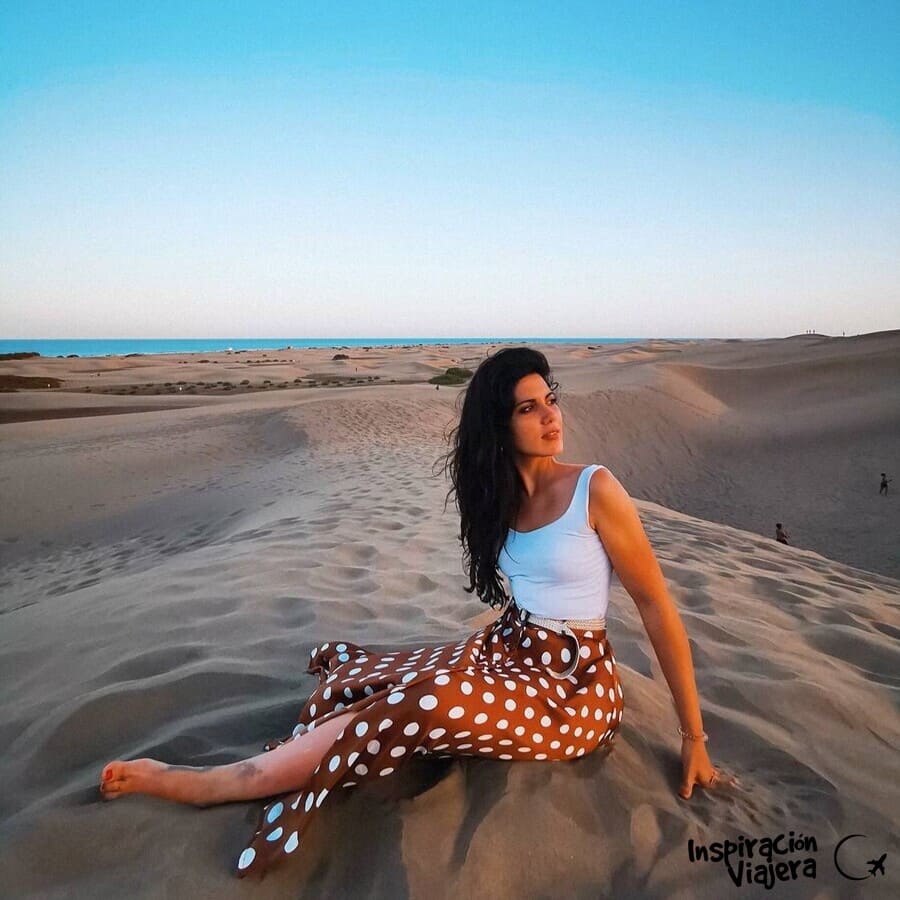
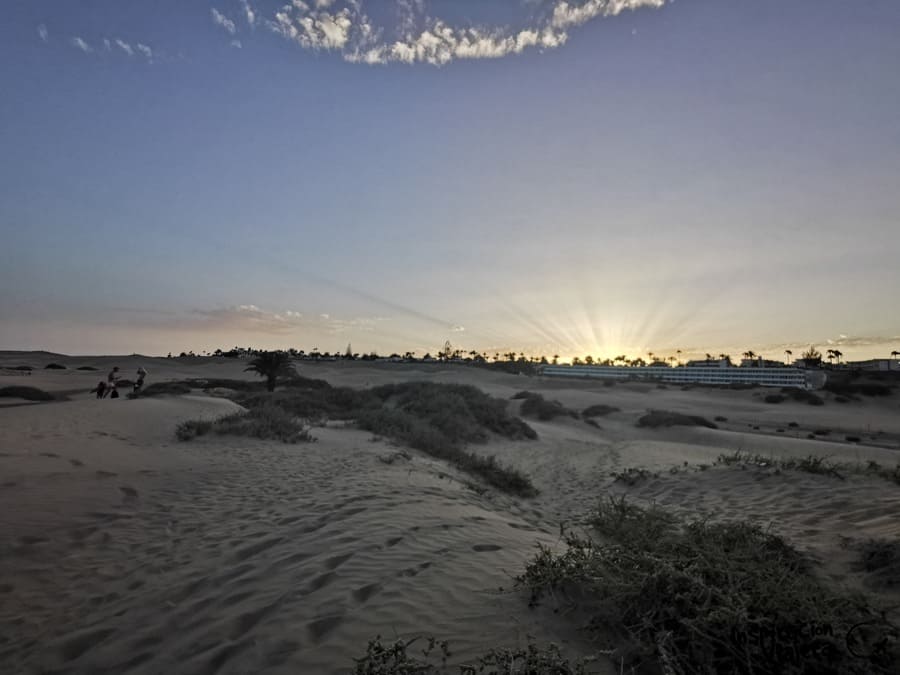
This place looks like the Sahara. It is spectacular, but do not even think about walking barefoot on the dunes during the day unless you fancy ending up with burned feet. Sometimes the sand gets so hot that even shoes are not enough. We love coming here at sunset, when the heat drops and the sand stops trying to murder you.
Roque Bentayga
Think of it as Roque Nublo’s quieter sibling. Smaller, less crowded and with great views over the Tejeda caldera. The walk is far less busy too.
Pico de las Nieves
At 1,956 metres, this is the highest point on the island. You can drive almost all the way to the top, although your clutch may have a few opinions on the road up. If you are lucky enough to catch the famous sea of clouds, with Roque Nublo sticking out above it and Mount Teide in the background, you will get one of the best views in the Canary Islands.
Ventana del Nublo
A natural rock arch that frames Roque Nublo perfectly in the distance. To get here you need to do a short walk from the Llanos de la Pez area. It is very photogenic, but the setting is also a bit risky, so do not get too creative near the edges.
Tamadaba Natural Park
This is the greenest part of Gran Canaria. A pine forest, often covered in mist, stretching all the way to coastal cliffs. Driving here is brilliant, and if you enjoy mountain roads, you are going to have a very good time.
Barranco de las Vacas
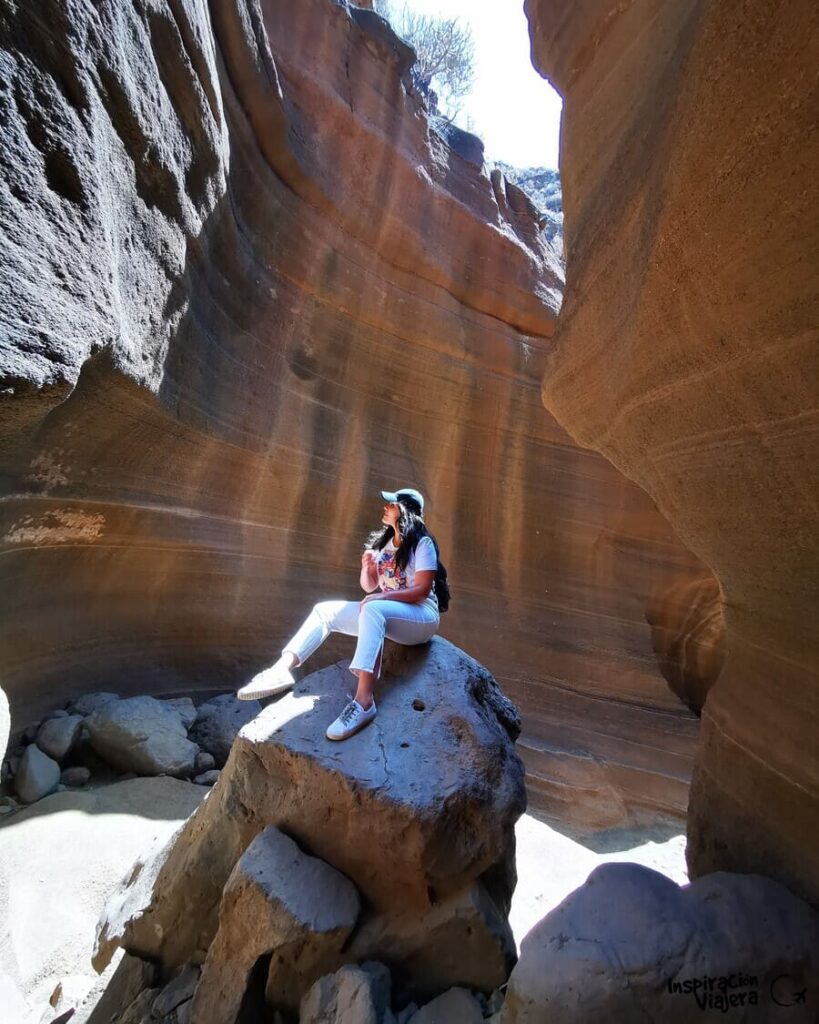
You have definitely seen this place on Instagram because it is one of the island’s most viral spots. It is a tiny canyon of colourful rock formations shaped by years of water erosion, a bit like a miniature Antelope Canyon. The problem is that it is really small, about 50 metres long. If you go at 11 am, you will probably find 40 people trying to squeeze through a two-metre-wide passage. Early morning is much better.
Barranco de Azuaje
Another green route, full of pools and with the ruins of an old abandoned spa that you will only step inside if you are feeling very brave.
Add a few activities to make your Gran Canaria trip even better
There are loads of activities in Gran Canaria for all kinds of travellers, and they make the trip even more memorable. These are our favourites, and whenever we visit the Canary Islands we usually try to do at least one of them:
The prettiest villages in Gran Canaria
Forget the all-inclusive resort bubble in the south. A proper Gran Canaria road trip means visiting the island’s most authentic villages if you really want to understand it. These are some of the best villages to add to your list of places to see in Gran Canaria.
Arucas
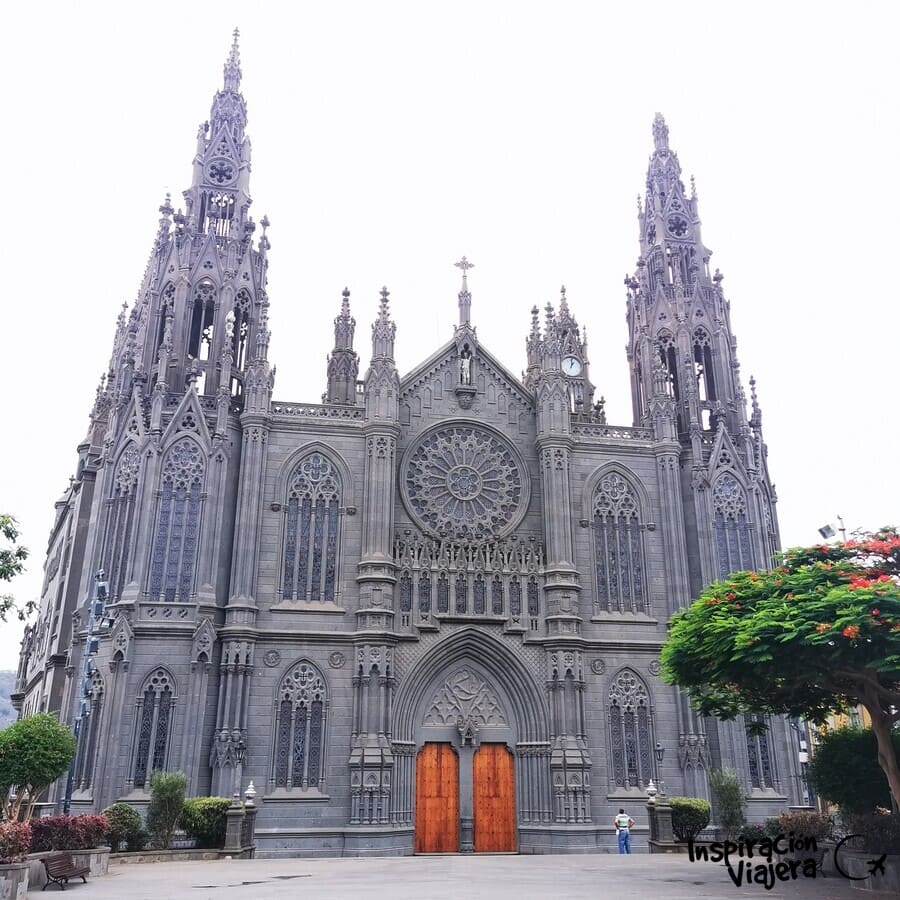
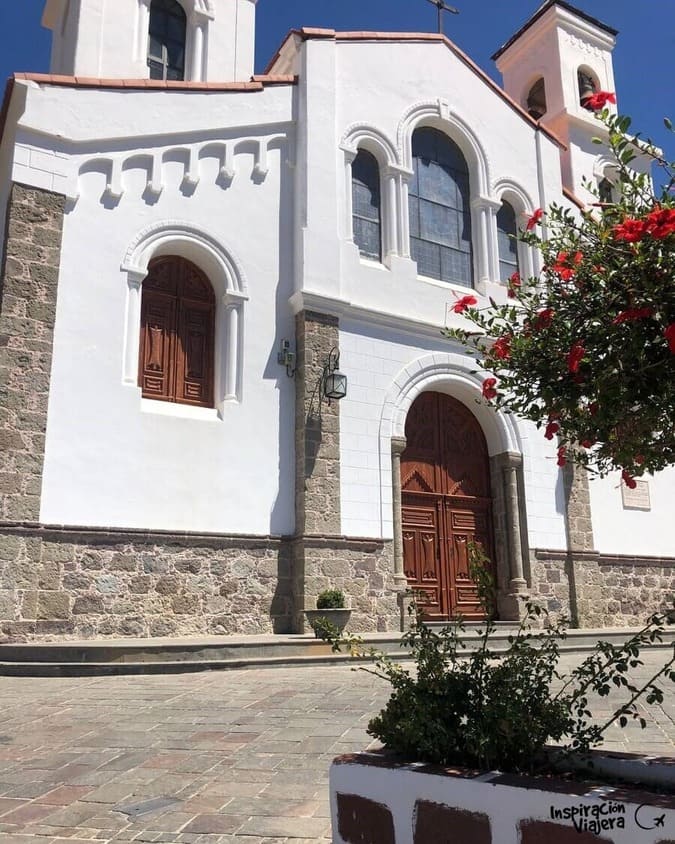
Arucas is known above all for two things: its rum, which I will mention again later, and the impressive Church of San Juan Bautista, built from black volcanic stone. People call it the cathedral of Arucas, even though it is technically a church, and the moment you see the neo-Gothic style you will get why. I genuinely rank it among my top ten church buildings. Every time I see it, I end up staring at it like an idiot.
Teror
One of the prettiest villages in Gran Canaria. Walking through the old centre with its gorgeous traditional wooden balconies is a must. And if you go on a Sunday for the market, getting a chorizo sandwich is basically non-negotiable.
Tejeda
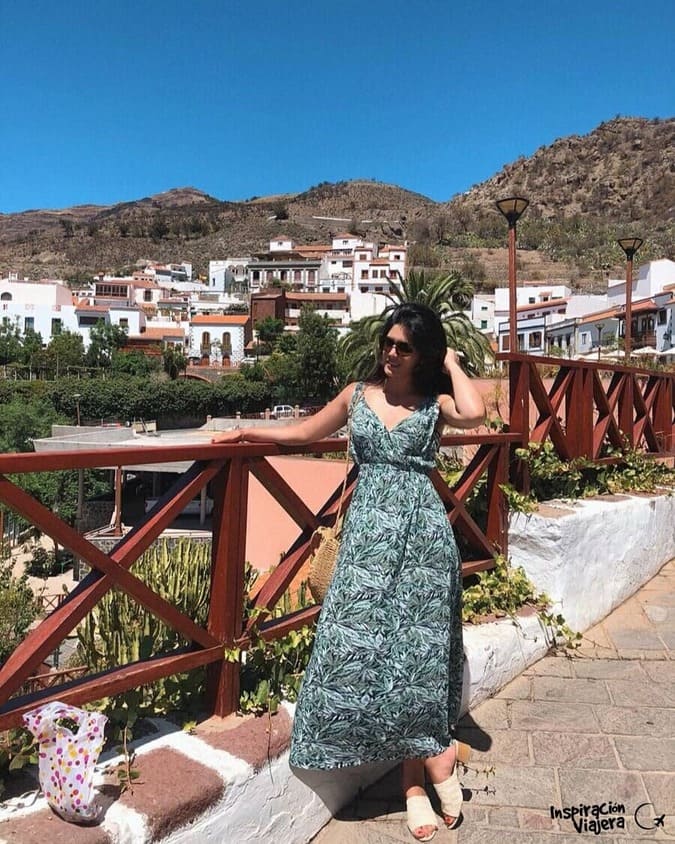
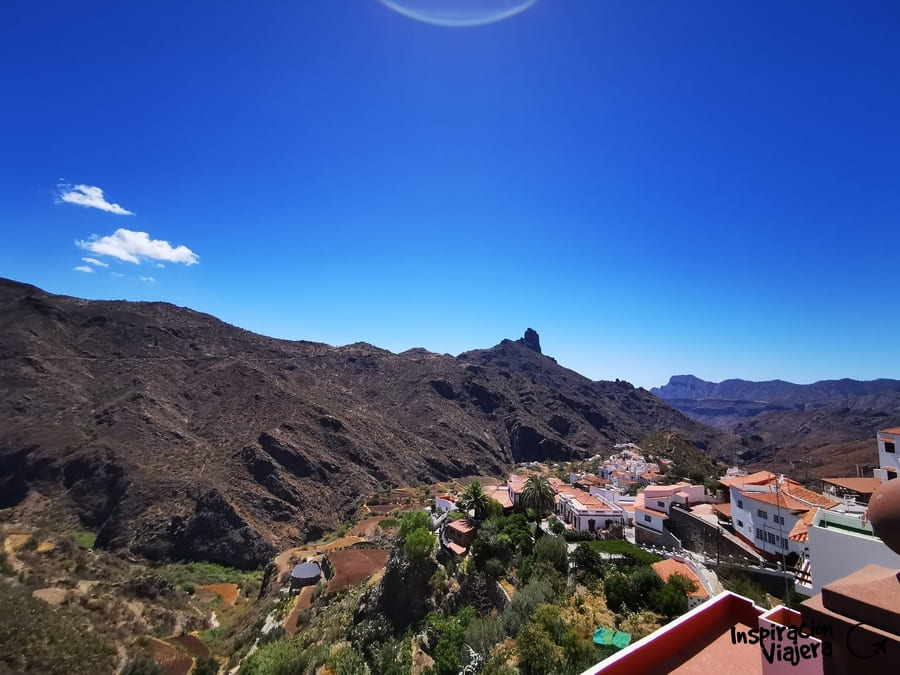
Tejeda was the first municipality in the Canary Islands to make it onto the list of Spain’s Most Beautiful Villages. The white houses seem to cling to the side of a ravine, surrounded by huge rock formations. The village itself is small and quick to see, but the best part is actually the view from the viewpoints outside the village.
Tejeda was the first municipality in the Canary Islands to join the “Most Beautiful Villages in Spain” list.
Artenara
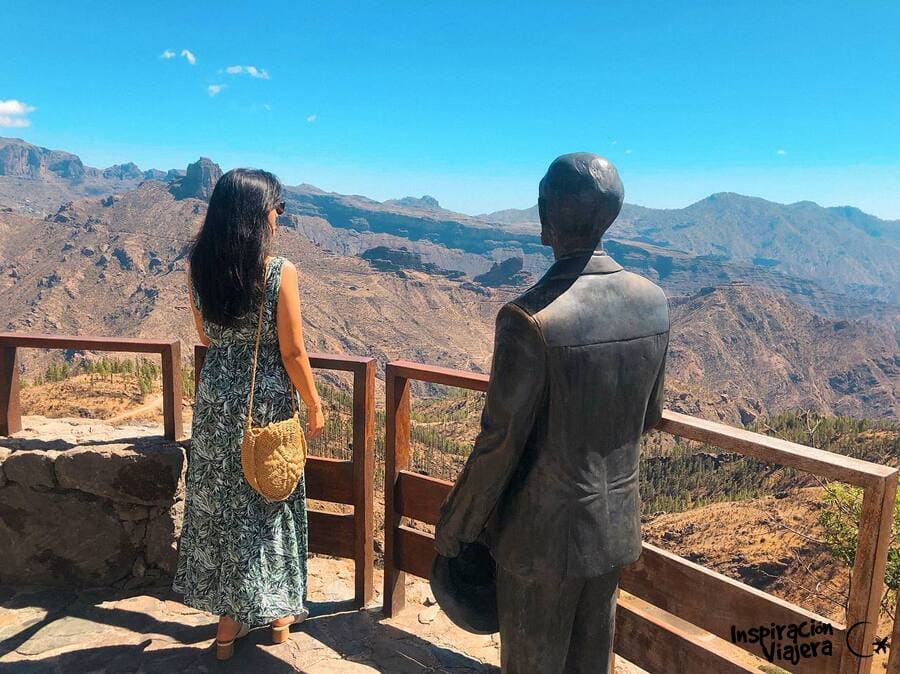
The highest village in Gran Canaria. This is where you will find one of the island’s most curious features: cave houses, and even a cave church. Head to the Mirador de Unamuno and you will be speechless. Promise.
Artenara and the Unamuno viewpoint.
Puerto de Mogán
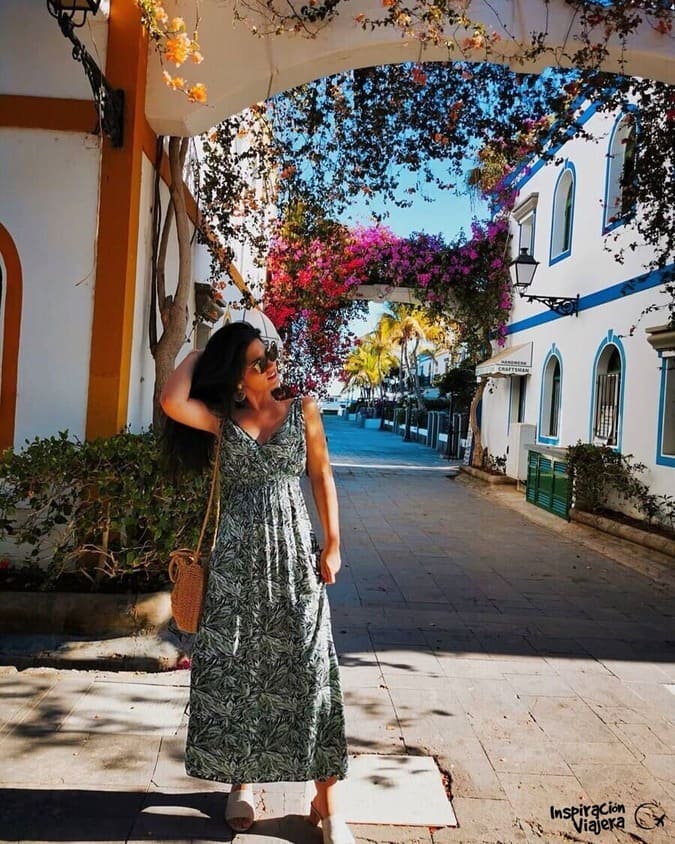
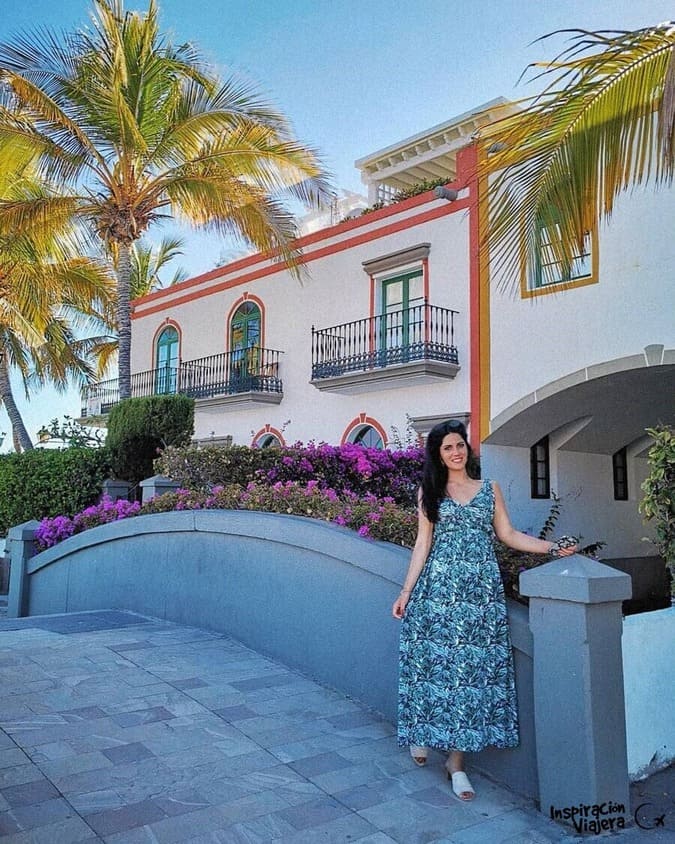
This is the so-called Little Venice of the Canary Islands because of its canals. Yes, it is touristy. Very touristy. But it is also pretty, with whitewashed houses, colourful details and bougainvillea everywhere. For a stroll, it is nice.
Puerto de Mogán, the “Little Venice” of Gran Canaria.
The historic centre of Las Palmas
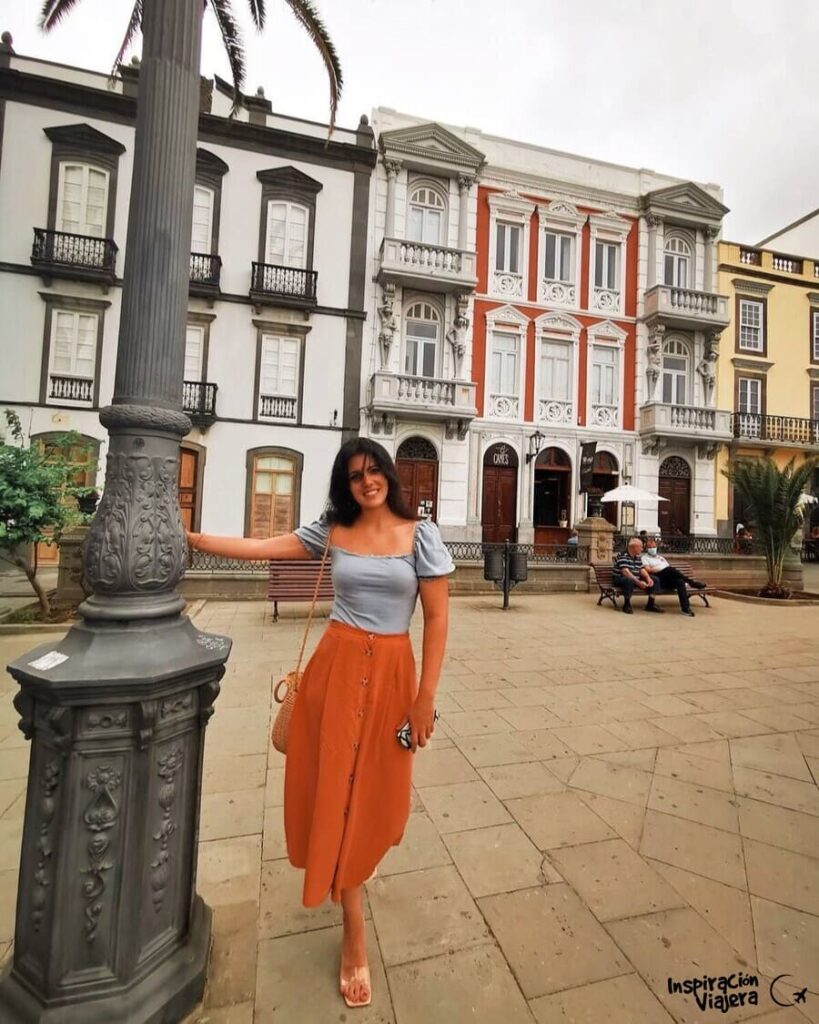
The Vegueta and Triana districts are living reminders of Las Palmas’ colonial past. Cobbled streets, Santa Ana Cathedral and a really good atmosphere for a drink in the late afternoon or evening.
Agaete
A fishing village in the northwest that still feels like itself, which is saying a lot. It is full of the typical white houses with blue doors, standing out against the volcanic stone. This is a great place for fresh fish and a swim in the natural pools of Las Salinas.
Agüimes
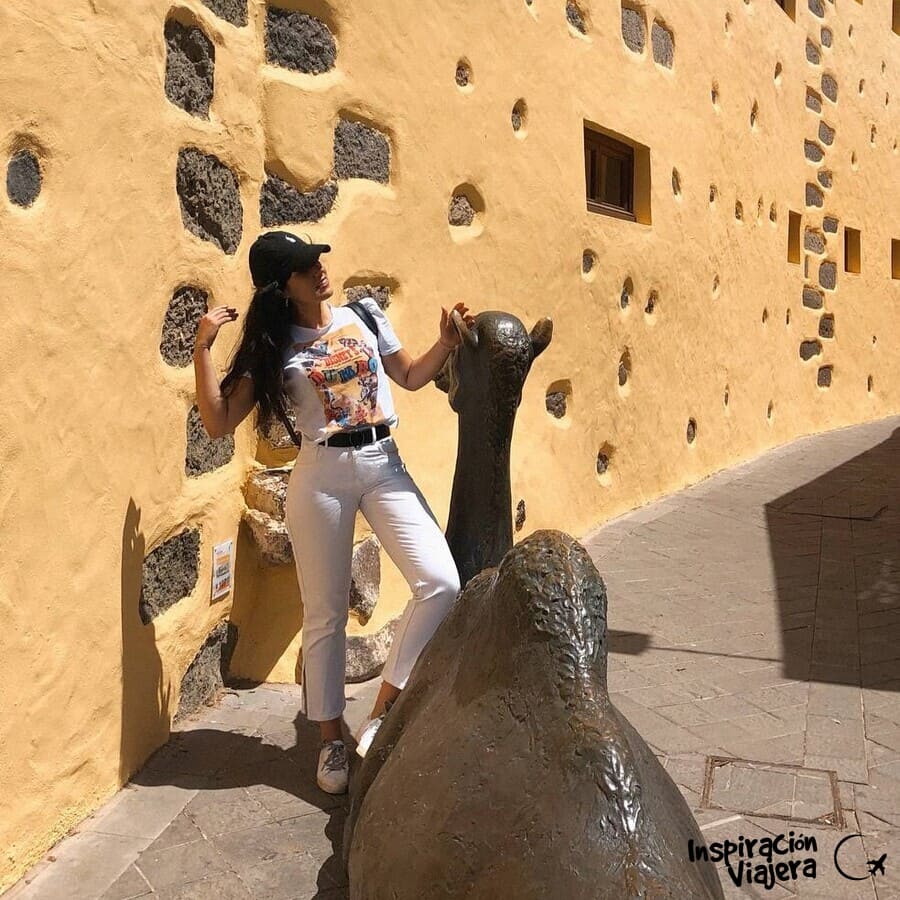
Agüimes has a lovely historic centre that is perfect for wandering around with no plan. The strangest thing here is that it is packed with life-size bronze statues in the middle of the streets. The camel one made me laugh more than it should have. The whole village is incredibly well looked after, with colourful façades and narrow little streets.
Museums and history
If you want to understand how people in Gran Canaria lived before tourism arrived, and before the conquerors too, these are some very solid options.
Painted Cave of Gáldar
One of the most important archaeological sites in the Canary Islands. It is an indigenous settlement built around a cave decorated with geometric paintings.
Risco Caído and the Sacred Mountains
A UNESCO World Heritage Site. These are caves high above the ravines that the island’s indigenous people used as astronomical markers. Access to the original main cave is restricted for conservation reasons, but the interpretation centre in Artenara is well worth visiting.
Museo Canario
In Vegueta, Las Palmas. A bit unusual, but fascinating if you are interested in ancient history. It has the biggest collection of indigenous mummies and skulls in the islands. Yes, it sounds slightly macabre, but it is also incredible if you want to understand how the ancient Canarians lived, and how they were preserved.
Casa de Colón
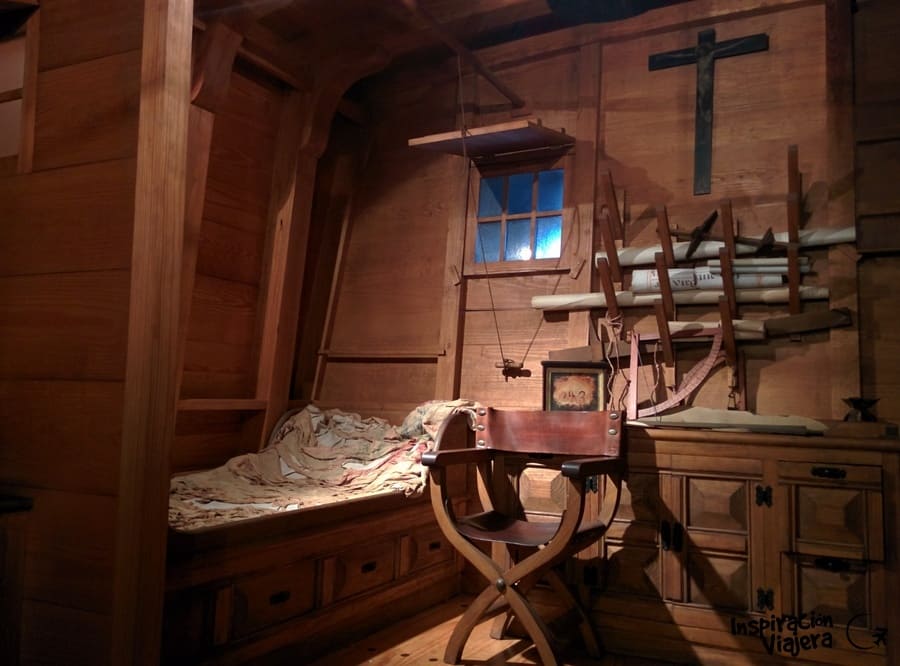
Also in Vegueta. A beautiful building where Christopher Columbus supposedly stayed before sailing across the Atlantic to the Americas. It is part house museum, part decorative gem, with lovely courtyards and… macaws inside. Yes, really.
The best beaches in Gran Canaria
Gran Canaria has two completely different beach worlds. The south is all about big beaches, pale sand and calm water. The north and west feel wilder, more volcanic and rougher around the edges.
For us, these are the best beaches in Gran Canaria:
- Maspalomas Beach: huge, right next to the dunes, with family-friendly areas and nudist sections deeper into the dune system. The sea is usually calm here.
- Las Canteras Beach (Las Palmas): one of the best urban beaches in the world. A rocky barrier protects the shore, so it is excellent for snorkelling.
- Güigüi Beach: be careful with this one. You need to hike around two and a half hours downhill, and then back up again, through a ravine on the west coast. The reward is a wild black-sand beach where you will be almost alone.
- Amadores Beach: an artificial bay with imported Caribbean-style sand that looks like a giant swimming pool. No waves at all. It attracts everyone because, to be fair, it is gorgeous. If you want peace and quiet, run. Even so, we really like it.
- Puerto de Mogán Beach: small and convenient, but it gets crowded in high season.
- Tasartico Beach: rocky, with plenty of swell. It is the starting or finishing point for some of the toughest hikes in the west. Only worth it if you are after something wild and untouched.
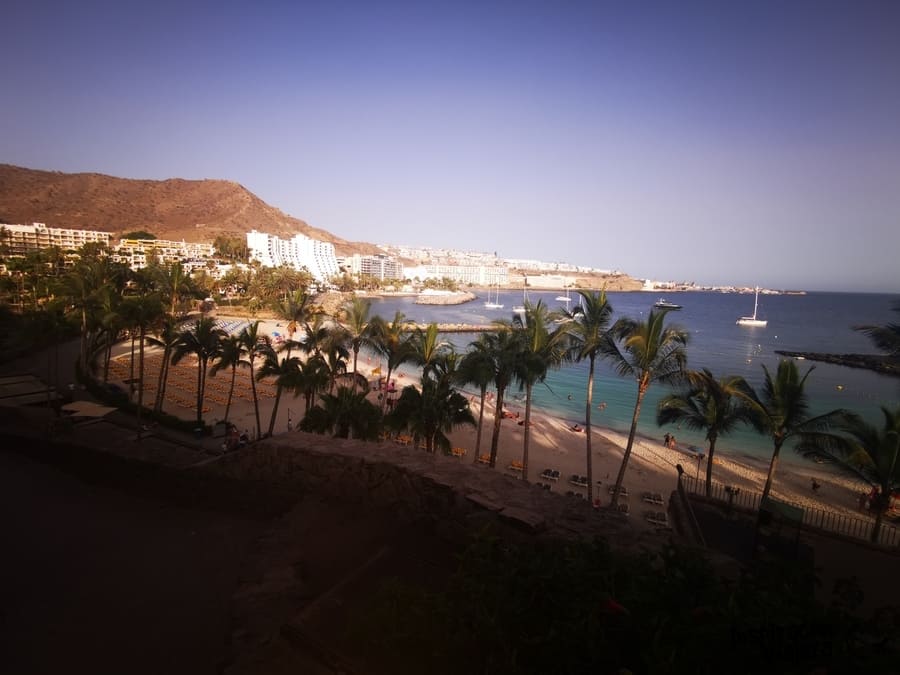
- Anfi del Mar Beach: another artificial white-sand beach next to a massive resort. Great for paddle boarding or renting jet skis. There is a lot of posing here, but the water is spectacular.
The best activities in Gran Canaria
Besides whatever Gran Canaria road trip you put together from this guide, there are a couple of things I would really recommend not missing.
Arehucas Distillery
As I mentioned earlier, Arucas is famous for its rum. It is home to one of the oldest and biggest rum distilleries in Europe. The guided tour is interesting because of the thousands of oak barrels, but let’s be honest, the real reason to go is the rum and liqueur tasting at the end.
Water activities
If you are like me and the idea of lying on a towel all day makes you restless, there are plenty of options:
- Surf and windsurf: if you want to learn to surf or catch a few decent waves, La Cícer on Las Canteras Beach is the best area.
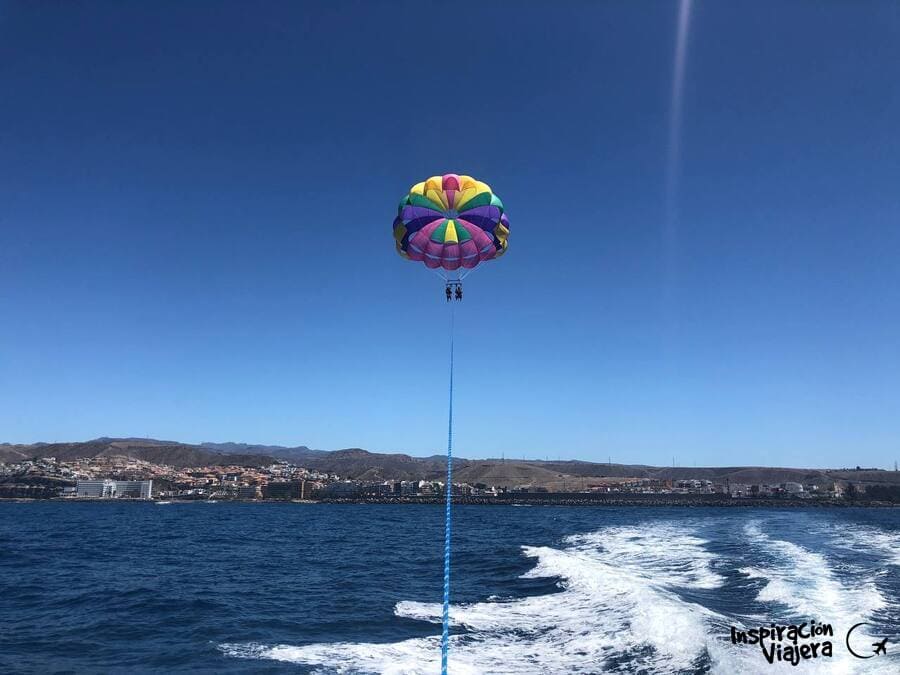
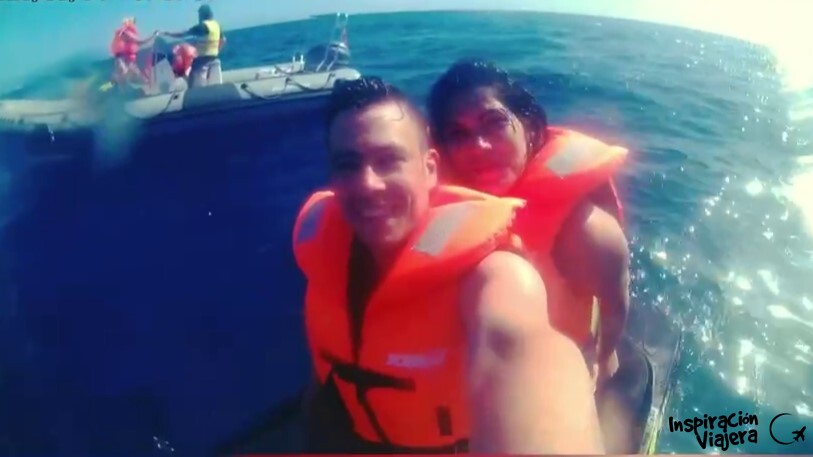
- Parasailing and jet skis: if you want a bit more adrenaline, you can head up into the air or go full throttle on a jet ski. Tickets here.
- Snorkelling and diving: do not forget your mask and snorkel. La Barra at Las Canteras is almost like an aquarium protected from the waves. For scuba diving, Sardina del Norte and the Marine Reserve of El Cabrón, yes, that really is the name, are the best places to swim with rays and angel sharks. Tickets here.
- Whale and dolphin watching: the south of the island is full of boats offering these trips. There are all sorts, but one piece of advice: avoid the party boats if you genuinely want to enjoy the sightings.
Where to stay in Gran Canaria
We have always liked staying around Maspalomas because it puts a bit of everything within easy reach. You have great beaches nearby, plenty of restaurants and enough nightlife if you fancy a drink after dinner. Yes, it is the most touristy area, but it is also the most convenient.
If you would rather focus on nature and hiking, then it makes more sense to stay inland, in places like Tejeda or Artenara.
Itineraries for visiting Gran Canaria
Planning a Gran Canaria road trip can get messy if you do not factor in the driving times between all the places you want to see. If you need examples, here are the itineraries we usually follow ourselves, already organised with the best things to do in Gran Canaria. You just need to enjoy them.
Gran Canaria itinerary for 5 days
Day 1 – Las Palmas and the north
Historic centre (Vegueta and Triana) → Casa de Colón → Museo Canario → Las Canteras Beach
Day 2 – The heart of the island
Pico de las Nieves → Ventana del Nublo → Roque Nublo → Tejeda → Roque Bentayga
Day 3 – Villages in the north
Arucas → Arehucas Distillery → Teror → Painted Cave of Gáldar → Agaete
Day 4 – Ravines and dunes
Barranco de las Vacas (early) → Agüimes → Barranco de Guayadeque → Maspalomas Dunes and Beach at sunset
Day 5 – Southwest coast and a slower pace
Puerto de Mogán → Amadores Beach → Anfi del Mar Beach (or a whale and dolphin watching tour)
What to see in Gran Canaria in 6 days
Day 1 – Las Palmas and the north
Historic centre (Vegueta and Triana) → Casa de Colón → Museo Canario → Las Canteras Beach
Day 2 – The heart of the island
Pico de las Nieves → Ventana del Nublo → Roque Nublo → Tejeda → Roque Bentayga
Day 3 – Villages in the north
Arucas → Arehucas Distillery → Teror → Artenara (plus the Risco Caído interpretation centre)
Day 4 – The green northwest
Painted Cave of Gáldar → Agaete → Tamadaba Natural Park → Barranco de Azuaje
Day 5 – Ravines and dunes
Barranco de las Vacas (early) → Agüimes → Barranco de Guayadeque → Maspalomas Dunes and Beach at sunset
Day 6 – Southwest coast and relax
Puerto de Mogán → Amadores Beach → Anfi del Mar Beach (or a snorkelling/diving activity)
What to see in Gran Canaria in 7 days
Day 1 – Las Palmas and the north
Historic centre (Vegueta and Triana) → Casa de Colón → Museo Canario → Las Canteras Beach
Day 2 – The heart of the island
Pico de las Nieves → Ventana del Nublo → Roque Nublo → Tejeda → Roque Bentayga
Day 3 – Villages in the north
Arucas → Arehucas Distillery → Teror → Artenara (plus the Risco Caído interpretation centre)
Day 4 – The wild and green northwest
Painted Cave of Gáldar → Agaete → Tamadaba Natural Park → Barranco de Azuaje
Day 5 – The full adventure day
Tasartico Beach → Hike to Güigüi Beach (full day of hiking and wild beach time)
Day 6 – Ravines and dunes
Barranco de las Vacas (early) → Agüimes → Barranco de Guayadeque → Maspalomas Dunes and Beach at sunset
Day 7 – Southwest coast and sea
Puerto de Mogán → Whale and dolphin watching → Amadores Beach or Anfi del Mar Beach
Map of the top places to see in Gran Canaria
Now that you have your Gran Canaria itinerary pretty much sorted, I would recommend pairing the island with nearby Tenerife. If you have two weeks of holiday, it is one of the best combinations you can do in the Canary Islands. We spent one week on each island and it turned into a very rounded trip.
You can find our full Tenerife itinerary here.
-
Escrito por JorgeVer todas las entradas
Every time we come back from a trip and I finish writing about it, it never takes me more than a day to start looking into our next destination. I love spending weeks planning big trips and small weekend getaways around Spain or Europe. I’m also a huge fan of opening Google Maps and zooming all the way in on every place to find those unique spots that most people miss.
Almost every photo you’ll find on the blog with our watermark, around 99% of them, was taken by us during our travels. In my articles, you’ll usually find detailed guides, realistic budgets, and step-by-step itinerary ideas designed to make things as easy as possible for you.
I will never recommend something we did not genuinely like, no matter how viral it may be. The same goes for places we feel do not align with our values in terms of ethics or integrity.
At the end of the day, my main goal with this blog is to share real travel stories, with just the right amount of polish and for every budget. And honestly, that already makes me happy.